




Energy drinks contribute to daily fluid intake but are not optimal for hydration. The Mayo Clinic confirms that caffeinated drinks usually do not dehydrate when consumed in moderation, though water remains the best choice for staying hydrated. The bigger hydration concern in many traditional energy drinks is sugar, which actively pulls water out of cells and worsens dehydration risk.
Our full guide below covers the science behind energy drinks and hydration, when they support fluid intake vs work against it, why sugar is the real problem, and what to drink instead when actual hydration matters most.
Do energy drinks hydrate you?
Yes, mostly. Most energy drinks are 80 to 90 percent water by volume, so a serving counts toward daily fluid intake. But the caffeine and (in some formulas) sugar content shift the equation. Sugar-free, caffeine-aware energy drinks contribute to hydration similarly to coffee or tea. Heavily sugared traditional energy drinks deliver mixed results because the sugar load increases urinary fluid loss.
Energy drinks are also not designed for hydration first. The category is built for energy and focus. Hydration is a side effect, not the goal.
The caffeine and dehydration myth
The widespread belief that caffeine dehydrates is more nuanced than it sounds. According to the Mayo Clinic, "most research suggests that the fluid in caffeinated drinks balances the diuretic effect of typical caffeine levels" (source). A 2014 study by Killer et al. published in PLOS One found no evidence of dehydration with moderate daily coffee intake compared to water in habitual coffee drinkers.
Caffeine is technically a mild diuretic, but the effect is small at typical doses (under 400mg per day, the FDA's recommended limit for healthy adults). The diuretic effect is more pronounced in people who don't consume caffeine regularly or who take very high doses at once. For most adults, drinking 1 to 2 caffeinated beverages per day, net hydration stays positive.
Why sugary energy drinks reduce hydration
Sugar is the larger hydration problem in traditional energy drinks. Glucose and fructose require water to metabolize, pulling fluid from cells into the bloodstream and increasing urinary loss. A single high-sugar energy drink can deliver 25 to 40 grams of sugar, often more than the American Heart Association's daily added sugar recommendation.
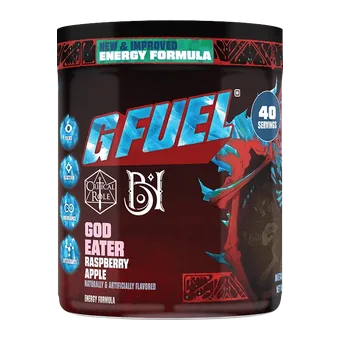
Zero-sugar formulas are therefore the cleaner choice for hydration support. A 40-serving Energy Formula tub at 140mg caffeine and 0g sugar contributes positively to fluid intake without the sugar-driven dehydration trade-off that older energy drinks built their formulas around.
When energy drinks become harmful to hydration
Three scenarios push energy drinks from neutral to problematic for hydration.
Excessive consumption (multiple servings exceeding 400mg total caffeine per day) can produce a stronger diuretic effect, especially in non-habitual users. High-sugar formulas (above 25g sugar per serving) actively pull water from cells. Combining energy drinks with alcohol amplifies dehydration significantly because alcohol suppresses vasopressin, the hormone that regulates urine output.
Energy drinks are also not appropriate hydration substitutes during intense exercise, heat exposure, or any situation involving heavy sweat loss. Sweat loses both water and electrolytes (sodium, potassium, magnesium), and most energy drinks contain little to no of these minerals.
Energy drinks vs water vs electrolyte hydration drinks
Three categories serve different hydration needs, and they're not interchangeable.
- Plain water is the gold standard for daily hydration. Calorie-free, caffeine-free, electrolyte-free, and the baseline against which all other beverages are measured.
- Caffeinated energy drinks contribute to fluid intake but include 140 to 300mg of caffeine and sometimes sugar. Best for energy and focus, secondary as hydration support.
- Electrolyte hydration drinks (caffeine-free) replace what's lost through sweat, ideal for workouts, gaming sessions, or any situation requiring true fluid replacement. Ingredients like sodium, potassium, and magnesium pull water into cells rather than push it out.
The G FUEL Hydration Formula sits in this third category: caffeine-free, zero sugar, zero calories, with electrolytes plus L-Tyrosine for focus support. The 40-tub format runs roughly $0.50 to $0.75 per serving. Our guide on the nutrition basics every gamer should know covers how hydration fits into a balanced gaming-day routine.
How to stay properly hydrated as a gamer
Gaming sessions are deceptively dehydrating. Long focus blocks suppress thirst cues, room temperatures often run warm, and many gamers reach for caffeinated drinks rather than water. Three habits move the needle.
Drink water consistently throughout sessions, not just when thirsty. Once thirst registers, you're already mildly dehydrated. Pair every caffeinated drink with water of equal or greater volume to offset the mild diuretic effect. Use an electrolyte hydration formula during long sessions (over 2 hours), workouts, or any time sweating is involved. Staying focused during long gaming sessions tracks closely with consistent fluid intake.
Caffeinated G FUEL is intended for healthy adults 18 and older. Pregnant or nursing individuals should consult a healthcare provider before consuming caffeinated products.
Hydrate Smart and Stay Locked In
The best hydration strategy is the simplest one: water as the foundation, an electrolyte formula like the Hydration Formula for sweat sessions, and caffeine-aware energy drinks for focus when needed. Keep a clean energy formula for ranked grinds and rotate in a new arrival when the routine feels stale.
Frequently asked questions
Q. Are energy drinks bad for hydration?
Sugar-free, moderate-caffeine energy drinks are not bad for hydration and contribute to daily fluid intake. High-sugar energy drinks reduce net hydration because sugar pulls water from cells. Heavy energy drink consumption (over 400mg caffeine daily) can also have a mild dehydrating effect.
Q. Do energy drinks count as water intake?
Yes, energy drinks count toward daily fluid intake because they're mostly water by volume. The Mayo Clinic confirms caffeinated drinks usually don't dehydrate at moderate intake levels. However, water is the best choice for hydration because it has no caffeine, sugar, or other compounds that affect fluid balance.
Q. How much caffeine causes dehydration?
The FDA recommends staying under 400mg of caffeine per day for healthy adults. Caffeine intake under this threshold typically produces no meaningful dehydration. Higher doses, especially in non-habitual users, can have a stronger diuretic effect.
Q. What's the best drink for hydration during gaming?
Water is the best baseline drink. For long sessions over 2 hours or anything involving sweat, a caffeine-free electrolyte hydration formula provides better cellular fluid retention than water alone. Caffeinated energy drinks support focus but should be paired with water for true hydration.
Q. Are sugar-free energy drinks better for hydration?
Yes. Sugar-free energy drinks remove the largest hydration drawback in traditional energy drinks. Zero-sugar formulas deliver caffeine for focus without the cellular water loss that high-sugar formulas trigger. The result is a positive contribution to net daily fluid intake.
Q. Can you drink energy drinks instead of water?
No. Energy drinks should not replace water as a primary hydration source. Even sugar-free formulas contain caffeine and lack the electrolyte profile needed for optimal hydration during exercise or extended focus sessions. Water remains the foundation, with energy drinks as supplements.