



TL;DR
• Coffee vs energy drinks isn't black and white - both have pros and cons depending on your needs • Coffee provides 80-100mg caffeine per cup with antioxidants but limited performance enhancers
• Traditional energy drinks offer 80-300mg caffeine plus performance ingredients but often contain 27-54g sugar
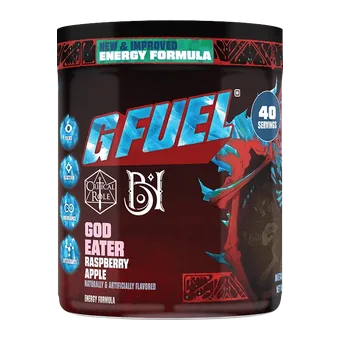
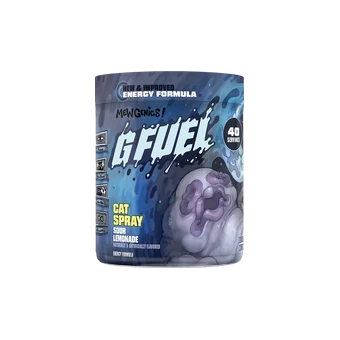
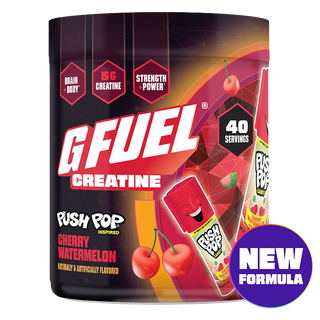
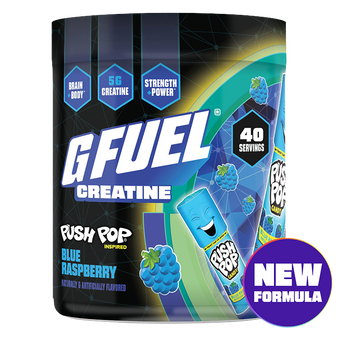
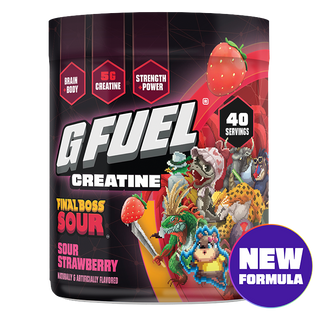
• Powder formulas like G FUEL provide controlled dosing, zero sugar, and cost savings at $0.89/serving
• For sustained performance without crashes, sugar-free options are essential regardless of choice
• The best option depends on your activity (gaming vs gym), budget, and health goals
Quick Comparison Between Coffee and Energy Drinks
When choosing between coffee vs energy drinks, understanding the fundamental differences helps you make the right choice for your lifestyle:
| Factor | Coffee | Traditional Energy Drinks | Powder Energy Formula (G FUEL) |
|---|---|---|---|
| Caffeine per serving | 80-100mg | 80-300mg | 140mg |
| Sugar content | 0g (black) | 27-54g | 0g |
| Cost per serving | $0.20-6.00 | $2.50-4.00 | $0.89 |
| Preparation time | 5-10 minutes | Instant | 30 seconds |
| Shelf life | 2-4 weeks | 6-9 months | 2+ years |
| Customization | Limited | None | Full control |
Understanding Your Energy Options
The difference between coffee and energy drinks starts with their core purpose and design philosophy.
Coffee: The Traditional Choice Coffee is a single-ingredient beverage extracted from roasted coffee beans. Used for centuries, it delivers:
-
Natural caffeine (varies by brewing method)
-
Antioxidants like chlorogenic acid
-
Minimal processing
-
Cultural and social ritual aspects
Energy Drinks: The Engineered Solution Energy drinks are formulated products combining multiple ingredients for comprehensive energy support:
-
Precise caffeine dosing
-
B-vitamins for energy metabolism
-
Amino acids (taurine, L-carnitine) for performance
-
Often sugar for immediate energy
-
Flavoring and preservatives
Powder Formulas: The Modern Alternative Powder-based options represent an evolution, offering:
-
User-controlled serving sizes
-
Longer shelf life
-
Better value per serving
-
Typically cleaner ingredient profiles
-
Environmental benefits (less packaging waste)
Key Takeaway: Your choice between energy drinks vs coffee should align with your specific performance needs, not just preference.
Caffeine Content Analysis
Understanding caffeine in energy drinks vs coffee is crucial for optimizing your performance without overdoing it.
Detailed Caffeine Comparison:
|
Source |
Serving Size |
Caffeine |
Time to Effect |
Duration |
|
Drip Coffee |
8 oz |
95mg |
30-45 min |
3-5 hours |
|
Espresso |
1 oz |
63mg |
15-20 min |
2-3 hours |
|
Red Bull |
8.4 oz |
80mg |
15-30 min |
3-4 hours |
|
Monster |
16 oz |
160mg |
15-30 min |
4-5 hours |
|
Bang/Reign |
16 oz |
300mg |
10-20 min |
5-6 hours |
|
G FUEL Powder |
1 scoop |
140-150mg |
10-15 min |
4-6 hours |
Daily Caffeine Limits (FDA Guidelines):
-
Healthy adults: 400mg maximum
-
Pregnant women: 200mg maximum
-
Adolescents: 100mg maximum
Ingredient Breakdown
The real story emerges when examining what else you're consuming besides caffeine.
Coffee Additions (Typical):
-
Milk/cream: 20-100 calories
-
Sugar: 16 calories per teaspoon
-
Flavored syrups: 20-80 calories per pump
-
Total hidden calories: Often 150-500 per drink
Traditional Energy Drink Ingredients:
-
Sugar: 27-54g (108-216 calories)
-
Taurine: 1000-2000mg
-
B-vitamins: Varies
-
Artificial colors and preservatives
-
Proprietary blends (amounts hidden)
G FUEL Powder Formula:
-
Zero sugar (uses sucralose/ace-K)
-
Focus Complex (L-Tyrosine, not taurine)
-
Antioxidant Complex (19 different sources)
-
Vitamin Complex (C, E, B12, B6)
-
10-25 calories total
Performance Impact for Gaming & Training
Different activities demand different energy profiles.
For Gaming Sessions (4-8 hours):
|
Requirement |
Coffee |
Energy Drinks |
G FUEL |
|
Sustained focus |
Moderate |
Good (if sugar-free) |
Excellent |
|
No crash |
Yes (black) |
No (sugary versions) |
Yes |
|
Mental clarity |
Good |
Variable |
Excellent |
|
Cost for 6-hour session |
$0.40-12 |
$5-8 |
$0.89-1.78 |
|
For Gym/Athletic Performance: |
|||
|
Requirement |
Coffee |
Energy Drinks |
G FUEL |
|
Pre-workout energy |
Good |
Moderate |
Good |
|
Hydration support |
Poor |
Moderate |
Good |
|
Muscle recovery |
None |
Limited |
Some (antioxidants) |
|
Post-workout crash |
None |
High (sugar) |
None |
Health Effects & Safety
Coffee Health Profile:
Pros:
-
Rich in antioxidants
-
May reduce Type 2 diabetes risk
-
Supports liver health
-
Natural, minimal processing
Cons:
-
Can cause acid reflux
-
Stains teeth
-
Dependency develops quickly
-
Limited performance enhancement
Traditional Energy Drinks Health Profile:
Pros:
-
Quick energy boost
-
Enhanced athletic performance
-
B-vitamin supplementation
Cons:
-
High sugar causing crashes
-
Dental erosion
-
Weight gain potential
-
Heart palpitations (high caffeine versions)
Common Mistake Alert: Mixing coffee and energy drinks can lead to excessive caffeine intake, causing anxiety, insomnia, and cardiovascular stress.
Cost Analysis & Value
Let's examine the real economics of coffee vs energy drinks:
30-Day Cost Comparison (1 serving daily):
|
Option |
Unit Cost |
Monthly Cost |
Annual Cost |
|
Home Coffee |
$0.30 |
$9 |
$108 |
|
Coffee Shop |
$5.00 |
$150 |
$1,800 |
|
Red Bull |
$3.00 |
$90 |
$1,080 |
|
Monster |
$3.50 |
$105 |
$1,260 |
|
G FUEL Tub |
$0.89 |
$27 |
$324 |
-
Coffee: Filters, equipment maintenance, milk/sugar
-
Energy Drinks: Recycling, refrigeration, impulse buys
-
Powder: Shaker bottle (one-time $10-25)
Decision Framework
Decision Tree for Choosing Your Energy Source:
-
Primary Use Case?
-
Gaming/Mental work → Consider sugar-free energy options
-
Physical training → Coffee or specialized pre-workout
-
General energy → Any option works
-
Budget Sensitivity?
-
High → Home coffee or powder formulas
-
Medium → Mix of options
-
Low → Whatever is convenient
-
Health Priority?
-
Maximum → Black coffee or clean energy powders
-
Moderate → Sugar-free energy drinks
-
Low → Personal preference
-
Convenience Needs?
-
Maximum → Canned energy drinks
-
Moderate → Powder formulas
-
Low → Fresh coffee
Best For Categories:
-
Best for Gamers: G FUEL or sugar-free energy drinks
-
Best for Athletes: Black coffee or specialized pre-workouts
-
Best for Students: Coffee or moderate-caffeine powders
-
Best for Professionals: Coffee or convenient canned options
The Powder Formula Advantage
G FUEL represents a third option that addresses the weaknesses of both coffee and traditional energy drinks.
Positioning Statement: For performance-focused individuals who need sustained energy without compromises, G FUEL powder delivers the convenience of energy drinks with better ingredients than most options and the value of home-brewed coffee.
Feature → Benefit Mapping:
|
G FUEL Feature |
Direct Benefit |
Comparison |
|
40 servings per tub |
$0.89 per serving |
70% cheaper than canned drinks |
|
Zero sugar formula |
No crash, no calories |
Unlike 54g in Monster |
|
140-150mg caffeine |
Optimal energy zone |
More than coffee, less than extreme drinks |
|
25+ flavors |
Never boring |
Versus 1-3 coffee options |
|
2+ year shelf life |
Stock up and save |
Coffee: 2-4 weeks |
Popular G FUEL Options:
-
PewDiePie Lingonberry - Tart Swedish berry flavor for the legendary creator's fans
-
Miami Nights - Tropical strawberry piña colada perfect for summer gaming
-
Naruto Sage Mode - Pomelo white peach for anime enthusiasts
-
Berry Bomb - Classic mixed berry explosion
Implementation Timeline for Switching to G FUEL:
-
Week 1: Replace one daily coffee/energy drink
-
Weeks 2-3: Find your optimal serving size (0.5-1.5 scoops)
-
Week 4: Identify favorite flavors
-
Weeks 5-8: Full integration, track performance improvements
-
Weeks 9-12: Calculate savings and optimize routine
Troubleshooting & Edge Cases
Common Issues & Solutions:
|
Problem |
Coffee Solution |
Energy Drink Solution |
G FUEL Solution |
|
Afternoon crash |
Drink less, earlier |
Switch to sugar-free |
Already sugar-free |
|
Too expensive |
Brew at home |
Buy in bulk |
One tub = 40 servings |
|
Stomach issues |
Add milk, eat first |
Avoid high acid brands |
Mix with more water |
|
Jittery feeling |
Reduce amount |
Lower caffeine option |
Use 0.5 scoop |
|
Bad taste |
Try different roasts |
Try different brands |
25+ flavors available |
When NOT to Use Each Option:
-
Avoid Coffee: If you have acid reflux, anxiety disorders, or need immediate energy
-
Avoid Energy Drinks: If you have heart conditions, diabetes, or sugar sensitivity
-
Avoid G FUEL: If under 18, pregnant, or sensitive to artificial sweeteners
Frequently Asked Questions
Is coffee healthier than energy drinks?
Black coffee is healthier than sugary energy drinks. However, sugar-free energy powders with vitamins can be equally healthy. The key is avoiding added sugars and excessive caffeine.
How many cups of coffee equal one energy drink?
Typically 1-2 cups. A standard 8oz coffee has 95mg caffeine, while energy drinks range from 80mg (Red Bull) to 300mg (Bang).
Can I drink both coffee and energy drinks on the same day?
Yes, but monitor total caffeine intake. Stay under 400mg daily and space consumption by 4+ hours.
Which is better for all-night gaming sessions?
Sugar-free energy formulas provide more sustained energy than coffee. The B-vitamins and amino acids support longer focus periods.
Do energy drinks work faster than coffee?
Yes, most energy drinks work in 10-20 minutes versus coffee's 30-45 minutes, due to carbonation and simple sugars increasing absorption.
What's the cheapest option for daily energy?
Home-brewed coffee costs $0.20-0.30 per serving. G FUEL at $0.89 offers more benefits. Coffee shops and canned drinks are most expensive.
Can I use G FUEL as pre-workout?
Yes, many do. The 140-150mg caffeine and focus complex work well for training, though dedicated pre-workouts may have additional pump ingredients.