


You’re locked in. Maybe it’s the final moments of a competitive match, or you’re pushing for one last set at the gym. Your energy is fading, and you need a boost fast. You reach for a sugar-free energy drink, but a doubt creeps in: “Is this actually good for me? Is it going to make me gain weight?”
It’s a question many of us have. The "sugar-free" label feels like a green light, but the internet is full of confusing talk about artificial sweeteners, metabolism, and hidden effects. If you're someone who relies on that boost to power your gaming marathons or workouts, you deserve clear answers.
This guide will cut through that confusion. We will look at exactly how sugar-free energy drinks affect your body, from calories and metabolism to focus and performance. By the end, you'll understand how to use these drinks as a smart tool to fuel your goals, not sabotage them.
How Sugar-Free Energy Drinks Affect Weight Management
Let's start with the biggest question on your mind: Do sugar-free energy drinks cause weight gain?
The straightforward answer is no. Weight gain is a simple equation: you gain weight when you consume more calories than your body burns. Because sugar-free energy drinks like G FUEL’s powder-based Energy Formula contain very few calories typically only 10 to 25 per serving they do not directly cause you to gain weight.
This low-calorie profile is their single biggest advantage for anyone managing their weight. To put it in perspective, a typical can of a sugary energy drink can contain 150, 200, or even more calories, almost all from sugar. If you drink one of those every day, that’s an extra 1,050+ calories per week you have to account for.
By choosing a sugar-free alternative, you get the energy and focus you need without the heavy calorie load. This simple swap makes it much easier to stay in a calorie deficit, which is the key to losing weight. So, are sugar-free energy drinks better than regular energy drinks for weight control? Absolutely. By cutting out all that sugar and the associated calories, you are making a much smarter choice for your body and your weight management journey.
This leads to the next logical question: Can I drink sugar-free energy drinks while trying to lose weight? Yes, you can. Because they are so low in calories, they can easily fit into a weight loss plan without disrupting it. The energy boost they provide can even help you have more productive workouts, and the focus can prevent you from reaching for high-calorie snacks during a long gaming session. They are a tool that, when used correctly, can support your efforts.
The Science of Sweetness: Artificial Sweeteners and Your Body
So, if there's no sugar, where does the sweet taste come from? It comes from ingredients called artificial sweeteners. In G FUEL, the primary sweeteners are Sucralose and Acesulfame Potassium. These are approved by the FDA and are used in thousands of food products worldwide.
They work in a fascinating way. They are hundreds of times sweeter than regular sugar, so only a very, very small amount is needed to create a delicious flavor. When you drink it, your taste buds register the sweetness, but your body doesn't break them down for calories like it does with sugar. They essentially pass right through your system.
But this is where the debate begins. You may have heard people ask, do artificial sweeteners in energy drinks slow down metabolism? Based on current scientific research, the answer is no. There is no strong evidence to suggest that common artificial sweeteners have a negative impact on your metabolic rate. In fact, the caffeine in the energy drink is more likely to give your metabolism a slight, temporary boost.
The more complex question is whether they contribute to weight gain in other ways. Some theories suggest that tasting something intensely sweet without getting any calories might confuse your brain. This could, for some people, lead to cravings for real sugary foods later on.
However, it's crucial to understand that this effect is not universal. This brings us to a key insight: why some people experience cravings while others don't. Your reaction to artificial sweeteners is highly individual. It can be influenced by:
-
Your Gut Health: The bacteria in your gut play a role in how you process different foods, including sweeteners.
-
Your Psychology: If you associate sweet tastes with high-calorie rewards, a sugar-free drink might not fully satisfy that mental craving.
-
Your Habits: For many, a sugar-free drink successfully satisfies their sweet tooth and helps them avoid reaching for a sugary soda or candy bar. In this case, it’s a clear win for weight management.
The best approach is to listen to your body. If you have a G FUEL and feel satisfied, that's great. If you find it makes you want to eat a bag of cookies an hour later, then you know it might be a personal trigger. For most people, it's a helpful tool
For a more detailed scientific look at this topic, experts like Thomas DeLauer offer great explanations. His video, "The Science Behind Artificial Sweeteners and Weight Loss," provides a deep dive into how these ingredients interact with your body.
Firing Up Your Metabolism: The Role of Active Ingredients
While sugar-free drinks won't magically melt fat away, some of their active ingredients can positively influence your body's engine and your metabolism. This is a key part of the zero-sugar energy drinks metabolism conversation.
The main player here is caffeine. G FUEL’s Energy Formula powder contains around 140 mg of caffeine in each serving. Caffeine is a well-known thermogenic. In simple terms, this means it can slightly increase your body's core temperature, which in turn causes your metabolic rate to tick up. You temporarily burn a few more calories, even while at rest. This effect is modest and shouldn't be relied on for weight loss, but it's a nice bonus that contributes to that feeling of alertness and energy.
But it's not just about the caffeine. G FUEL is also fortified with an antioxidant and vitamin blend, including crucial B-Vitamins like Niacin (B3), Vitamin B6, and Vitamin B12. These vitamins are essential for energy metabolism. They don't provide energy themselves, but they act like spark plugs in your body's engine, helping to convert the food you eat (carbohydrates and fats) into usable energy. Ensuring you have enough of these vitamins helps your metabolism run efficiently.
With this in mind, it's important to be responsible. How many sugar-free energy drinks can I have per day without affecting my weight? For weight, the calories are so low that multiple servings won't have an impact. The real limit is caffeine. Most health experts recommend a maximum of 400 mg of caffeine per day for a healthy adult. Since one serving of G FUEL has 140 mg, sticking to 1-2 servings per day is a safe and effective guideline. This gives you the benefits without overdoing it.
Fuel for the Grind: Smart Use for Gamers & Fitness Fans
How and when you use your energy drink is just as important as what's in it, especially when considering the link between gaming sessions and weight.
For gamers, long hours of sitting can be a challenge for weight management. It’s easy to fall into the trap of mindless snacking and sipping on sugary sodas. This is where a smart swap can make a huge difference. A zero-sugar energy drink gives you the sustained focus you need to stay sharp for hours. G FUEL’s formula is famous for its "No Crash" promise, because without any sugar, you avoid the blood sugar spike and subsequent drop that leaves you feeling tired and unfocused right when you need to be at your best.
To make the most of it, follow these practical tips:
-
Read the Label: Get familiar with what you're drinking. The G FUEL label clearly shows you're getting 10-25 calories, 0 grams of sugar, 140 mg of caffeine, and a host of vitamins and antioxidants. Knowing this empowers you to make an informed choice.
-
Time It Right: The effects of G FUEL typically kick in after about 10-15 minutes and last for a solid 4-6 hours.
-
For Gaming or Studying: Mix a serving just as you're settling in. You’ll feel the focus build as you get into your flow state.
-
For Workouts: Drink it about 20-30 minutes before you start your training to ensure the energy is peaking when you begin your first set.
-
Avoid It at Night: To protect your sleep which is vital for weight loss and muscle recovery avoid caffeine within 6-8 hours of your bedtime.
-
Balance Your Lifestyle: Remember, an energy drink is a supplement, not a substitute. It works best when it's part of a lifestyle that includes balanced nutrition, regular exercise, and good hydration with plenty of plain water.
A G FUEL Showcase
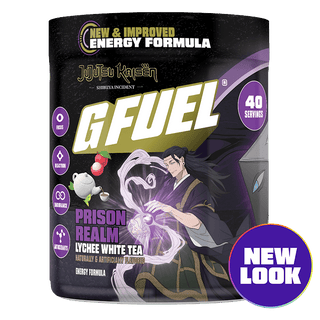
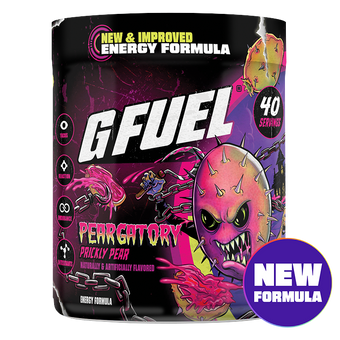
Sticking to your goals is always easier when you enjoy the process. Finding a flavor you genuinely love can make all the difference. G FUEL is known for its incredible variety, with a flavor for every palate. Here are some top picks from the community:
-
PewDiePie’s Lingonberry: The legendary flavor for the legend himself. This provides a perfectly tart and sweet berry taste that is uniquely refreshing.
-
Hype Sauce (Raspberry Lemonade): An electrifying mix of sweet raspberry and tangy lemonade. It’s a fan-favorite for a reason and perfect for any time of day.
-
Miami Nights (Strawberry Piña Colada): Escape to a tropical paradise with this smooth blend of strawberry, pineapple, and coconut.
-
The Juice (Fruit Punch): Inspired by streamer xQc, this is a complex and delicious fruit punch blend that tastes like a jungle in a cup.
-
Nuka-Cola Quantum: For fans of the Fallout universe, this flavor combines coconut, lemon, lime, pineapple, and berry for a truly unique taste experience.
Conclusion: Your Body, Your Fuel
So, let's circle back to our original question. Do sugar-free energy drinks cause weight gain? The evidence is clear: no, they do not.
When chosen wisely and used in moderation, a low-calorie, zero-sugar energy powder like G FUEL is an excellent tool for anyone managing their weight. It helps you cut hundreds of calories by replacing sugary drinks, provides a metabolic boost from caffeine, and delivers sustained focus without the crash. It allows you to stay energized for your passions whether that’s gaming, fitness, or creative work without compromising your health goals.
The power is in your hands. By understanding the ingredients and making smart choices, you can make your energy drink work for you.
Frequently Asked Questions
1. Do sugar-free energy drinks cause weight gain?
Sugar-free energy drinks typically contain minimal calories and won't directly cause weight gain. However, some artificial sweeteners may trigger cravings in certain individuals, potentially leading to increased food intake.
2. Can I drink sugar-free energy drinks while trying to lose weight?
Yes, sugar-free energy drinks can fit into a weight loss plan due to their low calorie content. The caffeine may even boost metabolism slightly, but they shouldn't replace proper nutrition and exercise.
3. How many sugar-free energy drinks can I have per day without affecting my weight?
Most health experts recommend limiting caffeine intake to 400mg daily. For weight management, 1-2 sugar-free energy drinks per day is generally acceptable, but individual tolerance varies.
4. Do artificial sweeteners in energy drinks slow down metabolism?
Current research doesn't show that artificial sweeteners significantly slow metabolism. The caffeine in energy drinks may actually provide a small metabolic boost.
5. Are sugar-free energy drinks better than regular energy drinks for weight control?
Yes, sugar-free versions eliminate 100-150 calories per serving compared to regular energy drinks, making them a better choice for weight management when consumed in moderation.