




You're geared up for the gym, but your energy levels are at zero. The thought of an energy drink before workout for that instant boost is tempting, but is it safe? Or are you about to sabotage your own performance?
The internet gives conflicting answers. Some fitness influencers swear by pre-workout energy drinks. Others warn about heart palpitations and emergency room visits. So what's the actual truth?
Here's your clear, evidence-based guide that cuts through the noise. Think of it as your pre-flight checklist – because using energy drinks for exercise is all about calculating risk versus reward, just like any strategic decision in gaming or training.
Can Energy Drinks and Working Out Actually Boost Performance?
Let's start with what science actually says about performance benefits. When consumed 20-45 minutes before exercise, the right energy drink can legitimately improve your workout.
The Performance Gains Are Real
Research shows caffeine can:
- Increase endurance by 3-5% (that's 1-2 extra reps per set)
- Improve power output by up to 7%
- Enhance focus for better mind-muscle connection
- Reduce perceived effort (weights feel lighter)
But here's the catch – these benefits only apply to properly formulated drinks. A sugar-loaded gas station special will hurt more than help. Smart athletes choose options like PewDiePie's G FUEL formula specifically because it's sugar-free and designed for sustained performance.

How Caffeine Works During Exercise
Caffeine blocks adenosine receptors in your brain, preventing fatigue signals. During workouts, this means:
- Muscles feel less tired
- Mental focus stays sharp
- Fat burning increases (caffeine mobilizes fat stores)
- Pain tolerance improves
The key is moderate doses. A serving of Naruto's Sage Mode provides 140-150mg – enough for benefits without overdoing it.
What Are the Real Risks of Using a Pre Workout Energy Drink?
Now for the "friendly fire" problem – when your attempt to boost performance backfires. Traditional energy drinks pose several risks during exercise.
Cardiovascular Strain: The Biggest Concern
High caffeine plus exercise equals:
- Heart rate increases beyond safe training zones
- Blood pressure spikes dangerously
- Irregular heartbeat in sensitive individuals
- Increased risk during high-intensity training
Most canned drinks contain 200-300mg caffeine. Add exercise stress, and you're pushing your cardiovascular system into the red zone. Try our Pellet cans that come with 140 mg caffeine. Powder formulas let you control dosage – start with half a scoop of Miami Nights to assess tolerance.

Dehydration: The Performance Killer
Caffeine is a diuretic, meaning increased urination. During exercise, you're already losing fluids through sweat. Combine the two and you get:
- Decreased performance (even 2% dehydration hurts output)
- Increased injury risk
- Heat exhaustion danger
- Terrible post-workout recovery
Smart solution? Alternate between caffeinated formulas and hydration options like Mango Lemonade Supreme Hydration to maintain fluid balance.
The Sugar Crash Mid-Workout
Traditional energy drinks pack 30-60g sugar. Here's what happens:
- Initial energy spike (feels great)
- Insulin surge to process sugar
- Blood sugar crashes below baseline
- Mid-workout fatigue and weakness
You literally pay to perform worse. Sugar-free options like Full Release provide clean energy without the crash.
Why Do Sugar-Free Energy Drinks Before Exercise Work Better?
The game changes completely when you remove sugar from the equation. Here's why powder formulas dominate for exercise:
No Digestive Issues
Sugar during exercise causes:
- Stomach cramping
- Nausea
- Slow gastric emptying
- Energy trapped in gut instead of muscles
Zero-sugar formulas like Fallout Nuka Cola digest quickly, delivering energy where you need it.
Sustained Energy Curve
Instead of spike-and-crash, you get:
- Smooth energy increase
- Stable performance throughout workout
- No mid-session fatigue
- Better post-workout recovery
The Slayer Fuel Collector's Box includes formulas specifically designed for sustained athletic performance.
Customizable Intensity
Powder means control:
- Morning workout? Full scoop for maximum energy
- Evening session? Half scoop to protect sleep
- Cardio day? Mix with extra water
- Heavy lifting? Concentrated mix for power
Options like Heaven or Hell Collector's Box give you multiple flavors to match different training styles.

When Should You Take an Energy Drink Before Exercise?
Timing makes the difference between performance boost and stomach upset.
The 30-Minute Sweet Spot
Optimal timing is 20-30 minutes before exercise because:
- Caffeine absorption peaks at 30-45 minutes
- Avoids digestive issues during warm-up
- Maximizes performance window
- Allows time to assess how you feel
Mix your PewDiePie Yuzu Slash while changing, drink during mobility work.
Workout-Specific Timing
Heavy Lifting: 20 minutes before for focus without jitters Cardio: 30 minutes before for fat-burning benefits HIIT: 15 minutes to minimize stomach issues Competition: 45 minutes for peak performance timing
The Mega Man Tub works perfectly for precision-based training where timing matters.
Which Athletes Should Avoid Pre Workout Energy Drinks?
Not everyone should use energy drinks before exercise. Avoid if you have:
Medical Conditions
- Heart problems or high blood pressure
- Anxiety disorders
- Digestive issues
- Caffeine sensitivity
- Sleep disorders
Specific Situations
- First-time gym goers (master basics first)
- Dehydrated state
- Empty stomach training
- Late evening workouts
- Under 18 years old
For these cases, caffeine-free options like VShojo Hydration Focus Pack provide benefits without risks.
How Much Caffeine Is Safe for Different Types of Exercise?
Your caffeine needs vary by activity and experience level.
Endurance Training (Running, Cycling)
- Beginner: 50-75mg (1/2 scoop)
- Intermediate: 100-150mg (3/4 scoop)
- Advanced: 150-200mg (full scoop)
Long sessions benefit from options like Ragin' Gummy Fish mixed light for sustained energy.
Strength Training
- Light days: 75-100mg
- Heavy days: 140-150mg
- Max attempts: Full serving 30 minutes prior
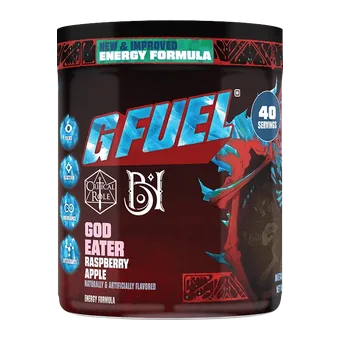
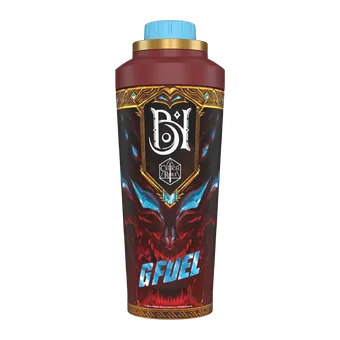
The Demon Ink Collector's Box provides that dark energy for heavy lifting sessions.
High-Intensity Sports
- Short bursts: 100mg maximum
- Tournament play: Consistent moderate doses
- Recovery between: Caffeine-free hydration
Mix strategies work best – caffeinated Sour Blue Chug Rug for competition, hydration formulas between.
What's the Best Way to Use Post Workout Energy Drinks?
Post-workout energy needs differ from pre-workout. Your body requires:
Immediate Post-Workout (0-30 minutes)
Focus on recovery, not stimulation:
- Hydration first priority
- Electrolyte replacement
- Minimal caffeine
Perfect choice: Mango Lemonade Supreme Hydration for caffeine-free recovery.
Later Post-Workout (30-60 minutes)
If you need energy for the rest of your day:
- Half serving of regular formula
- Mix with protein shake
- Avoid if training was evening
Options like Playtime Cooler Collector's Box offer lighter flavors perfect for post-workout.
Can You Build Tolerance to Pre-Workout Energy Drinks?
Yes, caffeine tolerance develops quickly. Here's how to manage it:
Cycling Strategy
- Use full doses only for hardest workouts
- Take 1-2 days off weekly
- Complete reset every 8-12 weeks
- Rotate between caffeinated and non-caffeinated
The White Elephant Loot Box variety pack helps rotate flavors and prevent monotony.
Signs You Need a Break
- Needing more for same effect
- Feeling tired without caffeine
- Sleep quality declining
- Afternoon crashes returning
When tolerance builds, switch to options like Bill and Ted Wyld Stallyns Box at lower doses.
What Makes G FUEL Different from Regular Energy Drinks for Exercise?
Not all energy drinks are created equal. Here's why powder formulas designed for performance beat traditional cans:
The Formula Difference
Traditional Cans:
- 30-60g sugar
- Fixed high caffeine
- Artificial ingredients
- No flexibility
G FUEL Powder:
- Zero sugar
- Customizable dosing
- Vitamin and amino acid complex
- Exercise-friendly ingredients
The Hidden Blade Collector's Box exemplifies this performance-focused approach.
Your Pre-Flight Checklist for Safe Energy Drink Use
Before using any energy drink before workout, run through this checklist:
✓ Check sugar content (should be zero)
✓ Calculate total daily caffeine (under 400mg)
✓ Time it right (20-30 minutes before)
✓ Start with half doses (assess tolerance)
✓ Have water ready (hydration is key)
✓ Know your limits (stop if feeling off)
✓ Match to workout type (adjust dosage)
✓ Consider time of day (protect sleep)
Smart Choices Equal Safe Performance
So, are energy drinks safe before exercise? The answer isn't black and white. Traditional high-sugar, high-caffeine canned drinks? Generally risky and counterproductive. But modern, sugar-free powder formulas designed for athletes? When used correctly, they're valuable performance tools.
Your body keeps score of everything you put into it. Make sure you're adding points, not subtracting them. Choose formulas designed for sustained performance, control your dosage, time it properly, and always prioritize hydration.
The difference between help and harm comes down to making informed choices. Now you have the knowledge to make yours.
Frequently Asked Questions
1. Can I mix energy drinks with my pre-workout powder?
Not recommended. Most pre-workouts already contain caffeine. Combining could exceed safe limits. Choose one based on your specific needs.
2. Is it safe to use energy drinks for morning fasted cardio?
Yes, sugar-free formulas work well for fasted training. Caffeine enhances fat burning without breaking your fast.
3. How long before bed should I avoid pre-workout energy drinks?
Stop caffeine intake 6-8 hours before sleep. For most people, nothing after 2 PM if you sleep at 10 PM.
4. Can energy drinks replace electrolyte drinks during exercise?
No, they serve different purposes. Energy drinks provide stimulation, electrolyte drinks provide hydration. Use both strategically.
5. What if I feel nauseous after drinking an energy drink before exercise?
Stop immediately, hydrate with water, and reduce intensity. Next time, try half the dose with more water and ensure you're not exercising on an empty stomach.