





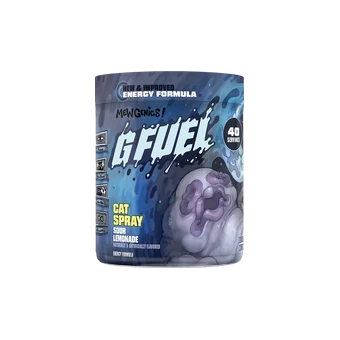
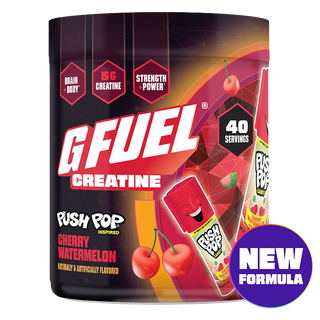
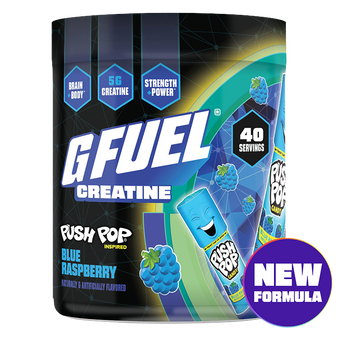
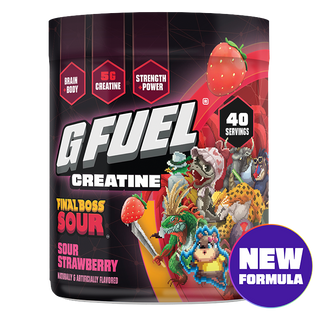


Creatine and whey protein are the two most popular supplements in fitness, and they are not interchangeable. Creatine is a cellular energy compound that helps your muscles regenerate ATP during high-intensity efforts. Whey protein is a fast-digesting protein source that provides the amino acids your body needs to repair and build muscle tissue after training. One fuels the work. The other rebuilds what the work broke down.
The confusion comes from the fact that both are sold in powder form, both are associated with muscle growth, and both show up in every "best supplements" list. But the mechanisms are completely different, the timing considerations are different, and the decision of which to buy first depends on what your current nutrition and training are missing.
What Creatine Does
Creatine monohydrate increases intramuscular phosphocreatine stores, which your muscles use to regenerate ATP during short, explosive efforts. More phosphocreatine means more reps before fatigue, heavier loads sustained for longer, and faster recovery between sets.
Creatine does not provide calories, does not contain amino acids in a muscle-building context, and does not directly stimulate muscle protein synthesis. Creatine supports the training performance that creates the growth stimulus, not the repair process that follows. The ISSN calls creatine the most effective ergogenic nutritional supplement available for high-intensity exercise capacity and lean body mass.
Creatine also supports brain function. Neurons use the same phosphocreatine-ATP system, and supplementation may improve memory, processing speed, and focus under cognitive load, especially relevant for gamers and students.
Key Creatine Facts
Dose: 3 to 5 grams daily, every day, with or without a loading phase.
Calories: zero.
Timing: any consistent time of day.
Onset: 3 to 4 weeks for full saturation (1 week with loading).
Best for: strength, power, inter-set recovery, training volume, cognitive support.
What Whey Protein Does
Whey protein is a fast-digesting, complete protein derived from milk during cheese production. One serving (typically 25 to 30 grams of protein) provides all nine essential amino acids, with a particularly high leucine content that triggers muscle protein synthesis.
Whey protein's job is to provide the raw material your body needs to repair and grow muscle tissue after training creates micro-damage. Without adequate protein intake, the repair process stalls regardless of how good your training stimulus was.
Whey comes in three forms: concentrate (70 to 80% protein, cheapest, slightly more fat and lactose), isolate (90%+ protein, less fat and lactose, more expensive), and hydrolysate (pre-digested, fastest absorption, most expensive, often bitter).
Key Whey Protein Facts
Dose: 20 to 30 grams per serving, 1.6 to 2.2 grams per kg of body weight daily from all sources.
Calories: approximately 120 per serving (varies by product).
Timing: within 2 hours post-workout for best MPS response. Spread remaining intake across the day.
Onset: acute. Amino acids reach the bloodstream within 30 to 60 minutes of consumption.
Best for: muscle repair, muscle growth, meeting daily protein targets, recovery.
The Energy + Protein formula combines 15g whey protein with 140mg caffeine for sessions where energy and protein needs overlap. Our protein powder guide for beginners covers how to choose between whey types.
Creatine vs Whey Protein: Head-to-Head
What Each Provides
Creatine provides cellular energy (ATP recycling) for high-intensity performance. Whey provides amino acids for muscle repair and growth. Creatine is not a protein. Whey is not an energy compound. The two serve different biological functions.
How Each Supports Muscle Growth
Creatine supports muscle growth indirectly by increasing training capacity (more volume, heavier loads, faster recovery between sets). The greater training stimulus over time produces more growth. Whey supports muscle growth directly by providing the amino acids MPS requires to build new muscle tissue. Both pathways matter. Neither replaces the other.
Timing Sensitivity
Creatine has nearly zero timing sensitivity. Take it whenever you remember, daily. Whey has moderate timing sensitivity. Post-workout consumption (within 2 hours) captures the elevated MPS window, though total daily intake matters more than precise timing. Our guide on when to take protein covers the full framework.
Caloric Impact
Creatine adds zero calories. Whey adds roughly 120 calories per serving. For athletes in a calorie deficit (cutting), creatine is calorie-neutral while whey requires tracking within the daily budget.
Speed of Effect
Creatine requires 3 to 4 weeks of daily dosing to reach full muscle saturation (or 5 to 7 days with loading). The benefit accumulates gradually. Whey works acutely: amino acids reach the bloodstream within 30 to 60 minutes and begin supporting MPS immediately.
Cost
Creatine monohydrate is one of the cheapest supplements available, typically $0.05 to $0.15 per serving. Whey protein ranges from $0.75 to $2.00 per serving. Creatine is the more cost-effective supplement per serving by a wide margin.
Which Should You Buy First?
If you can only afford one, protein is the higher priority. Adequate protein intake is non-negotiable for muscle growth, and most people do not get enough from food alone. Creatine amplifies training capacity, which is valuable, but it cannot compensate for inadequate protein.
If your daily protein intake from food already hits 1.6 to 2.2 grams per kilogram of body weight, creatine is the higher-impact addition because you have already solved the protein bottleneck and creatine addresses the training performance side.
If budget allows, buy both. Creatine is cheap enough ($0.05 to $0.15 per serving) that adding it to an existing protein routine is one of the highest-value supplement decisions available. Together, they cover both the energy side and the building material side of the muscle growth equation. Our guide on the best protein powder covers how to choose the right protein source for your goals.
Can You Take Creatine and Whey Together?
Yes. Mixing creatine into a whey protein shake is safe, convenient, and does not affect the absorption or effectiveness of either supplement. The two follow different metabolic pathways and do not interfere with each other. The insulin response from whey protein may slightly improve creatine transport into muscle cells, though the effect is modest.
A post-workout shake with 25 to 30 grams of whey protein and 5 grams of creatine monohydrate in 12 to 16 ounces of water covers recovery, creatine saturation, and hydration in one step. Add a scoop of Energy Formula before training for caffeine and focus aminos, and a Hydration Formula during the session for electrolytes.
Pick the Right Tool, Stack When You Can
Creatine and whey protein are not competitors. The two are teammates that address different parts of the same process. Creatine powers the training. Whey repairs the damage. Together, they produce results that neither delivers alone. Keep a classic flavor in the rotation for pre-session fuel and rotate in a new arrival when the routine starts to feel stale.
Frequently Asked Questions
Q. Is creatine or protein better for muscle growth?
Both contribute through different mechanisms. Protein provides the amino acids MPS requires to build muscle tissue. Creatine increases training capacity, producing a stronger growth stimulus over time. Protein is the higher priority if choosing one. Both together produce the best results.
Q. Can I take creatine instead of protein?
No. Creatine does not provide amino acids and does not stimulate muscle protein synthesis. Adequate daily protein intake (1.6 to 2.2g/kg) is required for muscle growth regardless of creatine supplementation. Creatine complements protein but cannot replace it.
Q. What is the difference between creatine and whey protein?
Creatine is a cellular energy compound that supports ATP regeneration during high-intensity exercise. Whey protein is a fast-digesting protein source that provides amino acids for muscle repair and growth. Creatine fuels the training. Whey rebuilds what training breaks down.
Q. Should I take creatine or protein first thing in the morning?
Either works. Creatine has no timing sensitivity and can be taken at any time daily. Protein at breakfast helps restart muscle protein synthesis after overnight fasting. A morning shake with both covers both needs efficiently.
Q. Is creatine cheaper than protein?
Yes. Creatine monohydrate costs $0.05 to $0.15 per serving. Whey protein costs $0.75 to $2.00 per serving. Creatine is the more cost-effective supplement by a significant margin.
Q. Do you need both creatine and protein?
For optimal muscle growth and performance, yes. Protein is essential for repair. Creatine enhances the training that creates the repair demand. Together, they cover both sides of the equation. If budget is limited, start with protein and add creatine when possible.