




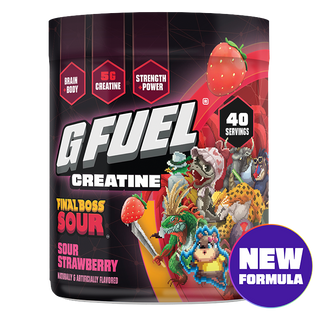


Protein and creatine are the two most popular performance supplements in the world, and combining them is one of the most common stacks in sports nutrition. The reason is simple: they do completely different jobs. Protein provides the amino acids that physically build and repair muscle tissue. Creatine provides the cellular energy (ATP) that fuels the training sessions creating the growth stimulus in the first place. One builds. The other powers the building process.
A 2017 review in the Journal of the International Society of Sports Nutrition found that creatine plus protein supplementation led to greater gains in lean body mass and strength than protein alone.
A 2026 study found that combining protein, creatine, and carbohydrates allowed athletes to generate more energy and push harder during training than creatine alone. The combination is safe, well-researched, and does not require special timing or elaborate protocols. Mix them in the same shake, take them at different times of day, or do both. The supplements do not interfere with each other's absorption or effectiveness.
How Protein Works
Protein is a macronutrient made up of amino acids, the building blocks your body uses to construct and repair muscle tissue, enzymes, hormones, and immune cells. When you eat protein (from food or a supplement), your digestive system breaks it down into individual amino acids, which are absorbed into the bloodstream and delivered to tissues that need them.
For muscle growth, the key process is muscle protein synthesis (MPS). Resistance training creates micro-tears in muscle fibers. MPS is the repair process that rebuilds those fibers thicker and stronger, using amino acids as raw material. The amino acid leucine (found in high concentrations in whey protein) acts as the trigger that activates MPS. Research shows that 20 to 30 grams of protein per serving, providing 2.5 to 3 grams of leucine, maximizes the MPS response.
Daily protein targets for active adults: 1.6 to 2.2 grams per kilogram of body weight per day, spread across 3 to 4 meals and snacks. Our guide on how much protein you need per day covers the full calculation.
How Creatine Works
Creatine is a naturally occurring compound stored primarily in skeletal muscle as phosphocreatine. During high-intensity exercise, phosphocreatine donates a phosphate group to regenerate ATP from spent ADP, extending the duration you can sustain maximal effort before fatigue forces a stop.
Supplementing with 3 to 5 grams of creatine monohydrate daily increases intramuscular phosphocreatine stores by 15 to 40%, which translates to more reps, heavier loads, and faster recovery between sets. Creatine also supports cell volumization (drawing water into muscle cells to create a more anabolic intracellular environment) and satellite cell activation (faster repair of training-induced micro-damage).
Unlike protein, creatine does not provide building material for muscle. Creatine provides the energy that fuels the training sessions that create the demand for building material. The distinction is why combining both is more effective than relying on either alone.
Why They Work Better Together
Protein and creatine complement each other through what researchers call "mechanistic complementarity." Each supplement addresses a different bottleneck in the muscle growth process.
Protein Removes the Recovery Bottleneck
Without adequate amino acids, the micro-tears training creates cannot be fully repaired. MPS stalls, recovery slows, and the next session starts from a compromised position. Adequate protein ensures the repair process runs at full speed.
Creatine Removes the Training Bottleneck
Without adequate ATP reserves, the training stimulus itself is limited. Fewer reps, lighter loads, and slower inter-set recovery mean less total volume per session. Less volume means a weaker growth signal. Creatine ensures the training session produces the strongest possible stimulus.
Together, Both Bottlenecks Are Addressed
Creatine enables harder training (more stimulus). Protein enables faster and more complete recovery (more adaptation from the stimulus). The 2017 JISSN review confirmed that the combination produced greater lean body mass and strength gains than protein alone, supporting the idea that covering both bottlenecks simultaneously produces better results than covering one.
The Energy + Protein formula combines 15g whey protein with 140mg caffeine in a single shake, covering both protein and pre-session energy. Adding 3 to 5 grams of creatine monohydrate to the same shake extends coverage to all three pillars: energy, building material, and cellular fuel.
Can You Mix Creatine With Protein Powder?
Yes. Mixing creatine monohydrate into a protein shake is safe, convenient, and does not affect the absorption or effectiveness of either supplement. The two compounds follow different metabolic pathways: protein is digested into amino acids in the gut and absorbed through the intestinal wall, while creatine is absorbed intact into the bloodstream and transported to muscle cells via the sodium-dependent creatine transporter. Neither process interferes with the other.
Practically, adding 5 grams of creatine monohydrate to a post-workout protein shake takes 10 seconds and turns one habit into a two-in-one routine. The protein shake also provides the carbohydrates and protein that stimulate insulin, which may slightly improve creatine transport into muscle cells (though the effect is modest compared to daily consistency).
Taste-wise, unflavored creatine monohydrate has a mild, slightly gritty texture that disappears in a flavored protein shake or an Energy Formula scoop. If you take creatine at a different time of day, mix it into water, juice, or a Hydration Formula serving.
The Smartest Way to Stack Protein and Creatine
The optimal routine is simpler than most guides make it sound.
Daily Creatine
3 to 5 grams of creatine monohydrate, every day, at any consistent time. Creatine works through saturation, not timing. Morning, pre-workout, post-workout, or before bed all produce the same long-term result. Pick the time that fits your routine and never miss a day.
Protein Around Training
20 to 30 grams of protein within 2 hours after training maximizes the post-workout MPS window. Pre-workout protein (15 to 20 grams, 30 to 60 minutes before) is especially valuable if you train fasted. Spread remaining daily protein across meals throughout the day. Our guide on the best time to take protein covers the full timing framework.
The One-Shake Solution
For maximum convenience, combine creatine and protein in a single post-workout shake. Add a scoop of whey protein (25 to 30g), 5 grams of creatine monohydrate, and 12 to 16 ounces of water or milk. Shake for 30 seconds and drink. The routine covers recovery protein, creatine saturation, and hydration in one step.
On Rest Days
Take creatine at the same dose and time as training days. Protein intake should also match training days (1.6 to 2.2g/kg) because MPS remains elevated for up to 48 hours after resistance training. Rest days are still building days.
Do You Need Both?
If you can only afford one supplement, protein is the higher priority because adequate protein is non-negotiable for muscle growth regardless of training quality. Creatine amplifies training but cannot replace the building material protein provides.
If you can afford both, take both. The combination addresses different bottlenecks, is safe, is well-researched, and produces better results than either supplement alone. For gamers and students who want cognitive support alongside physical performance, creatine adds the brain-energy dimension that protein does not cover. Our guide on the best protein powder covers how to choose the right protein source.
Stack Smart, Build Stronger
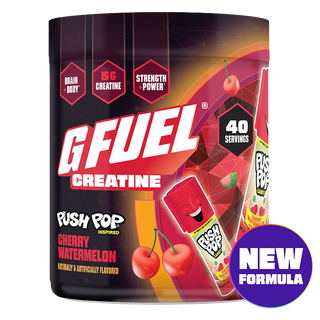
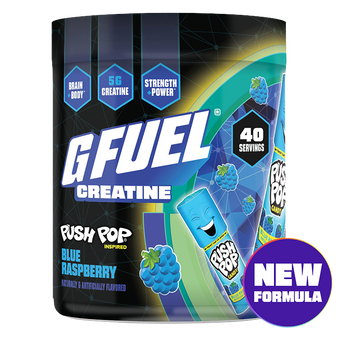
Protein builds. Creatine fuels. Together, they cover more of what drives muscle adaptation than either one alone. Keep a clean energy formula in the rotation for pre-session alertness, a classic flavor on the desk, and creatine plus protein in the daily routine. Rotate in a new arrival when the lineup starts to feel stale.
Frequently Asked Questions
Q. Can you take creatine and protein powder together?
Yes. Mixing creatine and protein in the same shake is safe and does not affect the absorption or effectiveness of either supplement. The two follow different metabolic pathways and do not interfere with each other.
Q. Should I take creatine or protein first?
Neither needs to come first. If choosing one, protein is the higher priority because muscle growth requires amino acids regardless of training quality. If budget allows, take both for the strongest results.
Q. Can you mix creatine into a protein shake?
Yes. Adding 5 grams of creatine monohydrate to a post-workout protein shake is one of the most convenient stacking methods. The protein shake masks creatine's mild taste and the insulin response from protein and carbs may slightly improve creatine absorption.
Q. Do creatine and protein have the same benefits?
No. Protein provides amino acids for muscle repair and growth. Creatine provides cellular energy (ATP) for high-intensity performance and recovery. The two address different aspects of the muscle growth process, which is why combining them produces better results than either alone.
Q. How much protein and creatine should I take daily?
Protein: 1.6 to 2.2 grams per kilogram of body weight per day, spread across meals. Creatine: 3 to 5 grams of creatine monohydrate per day, every day, at any consistent time.
Q. Is it safe to take creatine and protein long-term?
Yes. Both supplements have strong long-term safety profiles for healthy adults at recommended doses. Protein is a macronutrient your body requires daily. Creatine monohydrate has been studied extensively and is considered safe for ongoing daily use by the ISSN and Cleveland Clinic.