

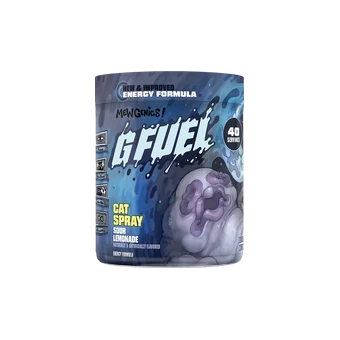
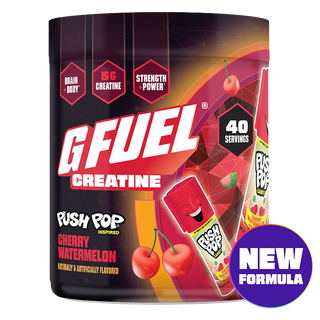
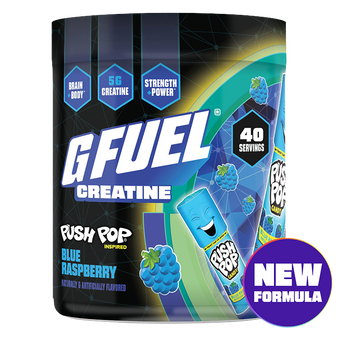
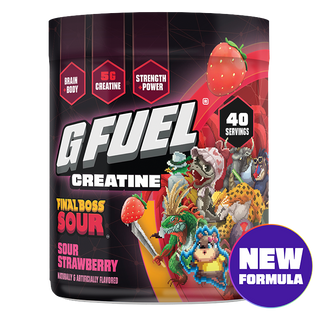


Gaming energy drinks are formulas designed for sustained mental focus during long sessions, built around caffeine, focus aminos like L-theanine and L-tyrosine, B-vitamins, and antioxidants instead of the high-sugar profile of traditional energy drinks. Peer-reviewed research suggests that the combination of caffeine and L-theanine can improve cognitive performance and alertness compared with caffeine alone.
The guide below covers what gaming energy drinks are, the ingredients that actually support focus (with primary research citations), what to avoid, the powder vs canned debate, and safe daily caffeine limits for adults 18 and over.
What is a gaming energy drink?
A gaming energy drink is an energy formula built specifically for the cognitive demands of gaming, esports, content creation, and long-session focus work. Compared to standard energy drinks, gaming-focused formulas typically feature zero or low sugar, lower or comparable caffeine (around 140-200mg per serving), and added ingredients intended to support alertness and focus. The category started in 2004 with G FUEL, marketed as the world's first energy drink built specifically for gamers.
How do gaming energy drinks support focus?
The core science behind gaming energy drinks is the way caffeine and L-theanine work together. L-theanine is an amino acid found naturally in tea leaves. A 2008 study by Owen et al. published in Nutritional Neuroscience tested 97mg of L-theanine combined with 40mg of caffeine in 44 young adults and found the combination significantly improved accuracy during demanding cognitive tasks and self-reported alertness compared to a placebo (source).
Other primary research from 2008 by Kelly et al. found that the L-theanine plus caffeine combination increased hit rate and target discriminability in attention tasks beyond what caffeine produced alone. The combination has been studied for its effects on attention and alertness, although individual responses to caffeine can vary.
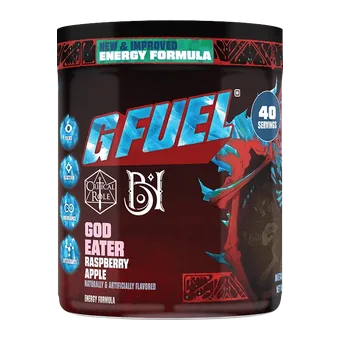
A 40-serving Energy Formula tub running 140mg caffeine per scoop is the kind of formula that grew out of this research. Our guide on staying focused during long gaming sessions covers the full picture beyond what's in the cup.
Key ingredients in a gaming energy drink
Five ingredient categories appear across nearly every gaming energy drink worth considering.
Caffeine
The primary stimulant. Most quality gaming energy drinks land between 140mg and 200mg per serving, balancing alertness with the FDA's 400mg daily limit for healthy adults. Caffeine can come from sources such as coffee, tea, or other plant sources, but the total caffeine amount is more important when considering daily intake.
L-theanine and focus aminos
L-theanine is the most studied amino acid in caffeine-and-focus formulations, paired with caffeine for the combined effect described above. L-tyrosine is an amino acid involved in the production of neurotransmitters and has also been studied in relation to cognitive performance under stress. Some formulas add Alpha-GPC for acetylcholine support and Rhodiola Rosea as an adaptogen for fatigue resistance.
B-vitamins
B6 and B12 support cellular energy metabolism and nervous system function. Most quality gaming formulas include both, often alongside vitamin C and E for antioxidant support.
Antioxidants
Plant-derived antioxidants from fruit extracts can contribute antioxidant compounds to a formula. Look for formulas that name specific sources (acai, pomegranate, blueberry) rather than vague "antioxidant blend" labels.
Zero or low sugar
The defining feature separating gaming formulas from traditional energy drinks. Zero- or low-sugar formulas can help gamers avoid adding large amounts of sugar to their overall daily intake.
What to avoid in a gaming energy drink
Three red flags should prompt closer scrutiny of a formula. High sugar content (anything above 5g per serving) may add unnecessary sugar to your daily intake. Excessive caffeine doses above 250mg per serving push close to the daily 400mg ceiling in a single drink, increasing the amount of caffeine consumed in one serving. Vague proprietary blends that don't disclose individual ingredient amounts make it difficult to judge whether the formula contains meaningful amounts of specific ingredients.
Also worth scrutinizing: artificial colors with no functional purpose, undisclosed adaptogen amounts, and any product making explicit medical or weight-loss claims that may not be supported by appropriate evidence or regulatory requirements.
Powder vs canned: which is better for gaming?
Both formats deliver the same core science when formulated well, but they serve different needs.
Powder formulas like the Energy Formula tub at roughly $0.89 per serving offer better cost per serving, dose flexibility, and easy storage and preparation. Canned formulas offer grab-and-go convenience, ideal for tournaments or travel, but cost $2-3 per can vs $0.89 per powder serving.
The better format depends on how you use it: powder can be convenient for regular at-home sessions, while cans are convenient when you need a ready-to-drink option.
Safe caffeine limits for gamers
The FDA recommends healthy adults stay under 400mg of caffeine per day from all sources combined, including coffee, tea, soda, and energy drinks. A typical gaming energy drink at 140mg can contribute a significant portion of that daily amount, so total caffeine from all sources should be considered.
Gaming energy drinks are intended for healthy adults 18 and older. Pregnant or nursing individuals should consult a healthcare provider before consuming caffeinated products. Anyone with heart conditions, blood pressure issues, or caffeine sensitivity should also speak with a healthcare provider before adding gaming energy drinks to their routine. The nutrition basics every gamer should know cover what else fits into a balanced gaming-day intake.
Lock In, Stay Sharp
A gaming energy drink only works if it actually fits the way you play. A scoop of a clean energy formula before a session keeps focus sharp through the late-game moments where ranked matches are decided. Rotate in a new arrival when the routine starts to feel stale, and keep the Energy + Protein formula on hand for sessions that double as workouts.
Choosing a Gaming Energy Drink
For gamers looking for a zero-sugar energy option, G FUEL Energy Formula provides 140 mg of caffeine per serving alongside L-theanine and other functional ingredients. Its gaming-focused formulas are designed for long gaming sessions, esports, streaming, and other activities where sustained alertness matters.
Whether you're playing ranked matches, streaming, or settling in for a long session, choosing a formula with a clearly labeled caffeine amount and transparent ingredient information can help you make a more informed choice.
Frequently asked questions
Q. What do pro gamers drink to stay sharp?
Pro gamers may use caffeinated energy drinks, coffee, or other caffeine-containing beverages to support alertness during long gaming sessions. G FUEL is a gaming-focused option, with its Energy Formula providing 140 mg of caffeine per serving alongside L-theanine. Individual caffeine responses vary, so gamers should consider their total daily caffeine intake.
Q. Do gaming energy drinks actually help with focus?
Yes, when formulated with effective ingredients. Peer-reviewed research consistently shows that combining caffeine with L-theanine improves cognitive performance and alertness compared to a placebo or caffeine alone. The effect is well-documented for attention tasks and reaction time work.
Q. What is the best caffeine amount for gaming?
Most quality gaming energy drinks land between 140mg and 200mg of caffeine per serving. The range balances meaningful alertness with the FDA's 400mg daily limit for healthy adults.
Q. Is L-theanine necessary in a gaming energy drink?
L-theanine is not strictly necessary, but its pairing with caffeine is the most well-documented focus-supporting combination. Quality gaming formulas almost always include it.
Q. Are gaming energy drinks healthier than regular energy drinks?
Gaming energy drinks are typically a cleaner alternative because they're zero sugar, often contain functional nootropics, and use lower caffeine ranges. The label depends on the specific formula compared.
Q. How long does a gaming energy drink last?
Most gaming energy drinks deliver a noticeable focus effect for 3 to 5 hours, with peak alertness around 30 to 90 minutes after consumption. Natural caffeine sources tend to taper more gently than synthetic.
Q. Can teenagers drink gaming energy drinks?
No. Gaming energy drinks including G FUEL are intended for healthy adults 18 and older. Caffeine intake recommendations are different for younger people, and most major brands explicitly label their products for adult use only.