





Caffeine is one of the most studied performance compounds in sports science, and the evidence is hard to argue with. Whether you are pushing through a heavy lift, grinding out miles, or trying to stay locked in during a long training session, caffeine has a measurable impact on what your body can do.
What Caffeine Actually Does in Your Body
Caffeine works by blocking adenosine receptors in the brain. Adenosine is the compound that builds up during wakefulness and signals fatigue. When caffeine occupies those receptors, the fatigue signal gets muted, your alertness increases, and your body becomes more primed to perform.
The result is not just feeling more awake. According to the ISSN position stand on caffeine and exercise performance, the primary mechanism is antagonism of adenosine receptors in the central nervous system, which increases neurotransmitter release, motor unit firing rates, and pain suppression. Caffeine also increases adrenaline output and lowers your perceived sense of effort during exercise. The ISSN's meta-analysis found that caffeine reduces the rating of perceived exertion (RPE) during exercise by an average of 5.6%, with an average performance improvement of 11% across all exercise modalities.
The Performance Benefits Are Well-Documented
The ISSN reviewed decades of research and confirmed that caffeine improves endurance performance by 2 to 4% across dozens of studies using doses of 3 to 6 mg per kilogram of body mass. Aerobic endurance shows the most consistent moderate-to-large benefits, but the gains extend beyond running and cycling.
Here is where caffeine makes a measurable difference:
Aerobic endurance: The most well-supported category. Caffeine consistently extends time to fatigue and improves time-trial output in running, cycling, swimming, and rowing.
Muscular strength and endurance: Three meta-analyses cited in the ISSN position stand reported small but significant ergogenic effects for strength (effect sizes 0.16 to 0.20, representing 2 to 7% improvement). However, the ISSN notes that some uncertainty remains, and results are not consistent across all studies. A review published in Frontiers in Sports and Active Living describes the current evidence on caffeine and strength as "ambiguous," with some studies showing significant improvements and others finding no effect.
Sprint and power performance: Caffeine may enhance single and intermittent sprint performance, though effects on repeated sprints are inconsistent. The ISSN reports modest effect sizes for jumping (0.17 to 0.22, representing 2 to 4% improvement).
Reaction time and focus: The ISSN confirms caffeine is ergogenic for cognitive function, including attention and vigilance, in most individuals.
How Much Caffeine Do You Actually Need?
Research consistently shows that 3 to 6 mg per kilogram of body weight is the effective range for exercise performance. For a 160-pound (73kg) person, that works out to roughly 220 to 438mg. The ISSN notes that minimal effective doses may be as low as 2 mg/kg, while very high doses (9 mg/kg or above) are associated with increased side effects without additional performance benefits.
Most people will find meaningful benefits at the lower end of that range. Higher doses increase the risk of side effects like jitteriness, elevated heart rate, and disrupted sleep without proportional performance gains.
The FDA recommends a daily limit of 400mg of caffeine for healthy adults.
Timing: When Should You Take Caffeine?
The ISSN identifies 60 minutes before exercise as the most commonly used timing for caffeine supplementation. Peak blood concentration typically occurs between 30 and 120 minutes after ingestion, depending on the form. The Frontiers review notes that caffeine supplementation at 60 minutes pre-exercise is ergogenic for both habitual users and non-users, and that the window may extend from 1 to 3 hours before exercise, depending on the individual.
Caffeine for Strength Training
If your focus is on the weight room, caffeine has something to offer, though the evidence is less definitive than for endurance. The ISSN reports that caffeine was shown to be ergogenic for muscular endurance with effect sizes of 0.28 to 0.38 (6 to 7% improvement), while effects on maximal strength are smaller (effect sizes 0.16 to 0.20). The Frontiers review adds that higher doses of caffeine (above 6 mg/kg) may be needed to see strength and power improvements, potentially through increased calcium release from the sarcoplasmic reticulum rather than central nervous system effects alone.
Practically, lifting with caffeine may help you sustain effort across multiple sets and push through the reps that matter most when fatigue starts creeping in.
Caffeine for Endurance Athletes
For endurance sports, caffeine is among the most reliable legal performance aids available. The ISSN classifies its evidence for aerobic endurance improvement as the strongest of any exercise category. One meta-analysis cited in the ISSN position stand found that caffeine improved mean power output by 2.9% and time-trial completion time by 2.3% across 46 studies.
During long-duration efforts, caffeine helps blunt the mental and physical fatigue that builds over time. Runners, cyclists, and triathletes often use it strategically, including mid-race, to stay competitive in the back half of an event.
When to Keep Caffeine Out of Your Routine
Caffeine is not the right tool for every situation. Its average half-life is 4 to 6 hours according to the ISSN, though it can range from 1.5 to 10 hours depending on the individual. If you train in the evening, a caffeinated serving at 7 pm could still be affecting your sleep at midnight.
The Frontiers review also highlights that chronic caffeine consumption may reduce its ergogenic effects through tolerance. Some research suggests saving caffeine for key training sessions or competitions to maintain sensitivity to its benefits.
Fuel Your Training the Right Way
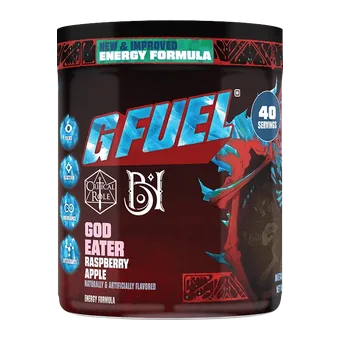
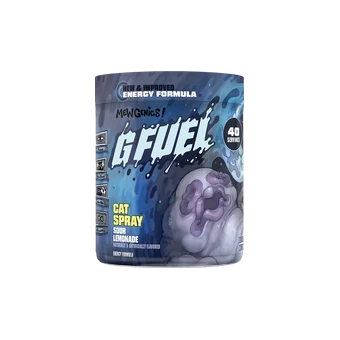
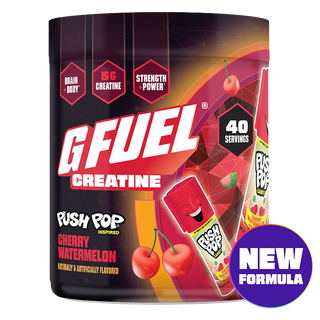
G FUEL's Energy Formula delivers 140mg of caffeine per serving with zero sugar, sitting within the evidence-backed effective dose range and well under the FDA's 400mg daily limit. Want to know what goes into every scoop? Check out the full ingredient breakdown on the Inside the Formula page.
Nuka Cola 2.0 -- Tropical Citrus Berry Formula 2.0 tub. 140mg caffeine, zero sugar, 40 servings at $38.99. Rated 4.4/5 (113 reviews).
Murdercorn -- Sour Rainbow Candy Formula 2.0 tub. 140mg caffeine, zero sugar, 40 servings at $35.99. Rated 4.9/5 (11 reviews).
Sour Gummy Worms -- Sour gummy candy Formula 2.0 tub. 140mg caffeine, zero sugar, 40 servings.
Nuke Pop -- Cherry, lime, blue raspberry popsicle Formula 2.0 tub. 140mg caffeine, zero sugar, 40 servings.
For ready-to-drink options, G FUEL Energy Cans offer grab-and-go convenience with zero sugar. For caffeine-free hydration on recovery days or evening sessions, G FUEL Hydration Formula delivers electrolytes with zero calories.
EXPLORE THE G FUEL LINEUP
Murdercorn | Sour Gummy Worms | Nuke Pop | Sour Chug 2.0 | PewDiePie 2.0 | The Juice 2.0
FRESH ARRIVALS JUST DROPPED
Hype Sauce 2.0 | Miami Nights 2.0 | Nuka Cola 2.0 | Berry Bomb
Gear Up: Stainless Steel Shakers
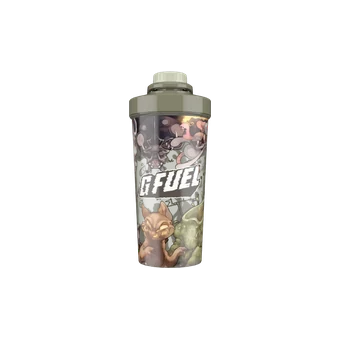
Hydration Steel Sipper -- 18 oz insulated stainless steel bottle. $21.99. Rated 4.8/5 (13 reviews). Hand washes only.
My Hero Academia Stainless Steel Shaker -- 24 oz stainless steel shaker cup. $28.99. Rated 4.7/5 (41 reviews). Hand washes only.
Browse the full collection at gfuel.com/collections/stainless-steel.
FAQs
1. How long before a workout should I take caffeine?
The ISSN identifies 60 minutes before exercise as the most common effective timing. Peak blood concentration occurs between 30 and 120 minutes after ingestion, depending on the form, so there is flexibility depending on your routine.
2. Does caffeine help with both strength and cardio workouts?
Yes, though the evidence is stronger for endurance exercise. The ISSN reports consistent moderate-to-large benefits for aerobic endurance and smaller but significant effects for muscular strength and endurance. Results for maximal strength and repeated sprints are more mixed.
3. How much caffeine is safe per day?
The FDA recommends a daily limit of 400mg for healthy adults. G FUEL's Energy Formula contains 140mg per serving, leaving room within that limit. G FUEL is not recommended for anyone under 18.
4. Will caffeine make me crash after my workout?
A crash typically comes from sugar, not caffeine. G FUEL products are sugar-free, which means energy stays steady without the sharp drop that follows sugar-based drinks. Caffeine's effects naturally diminish over 4 to 6 hours as the body metabolizes it.
5. Does caffeine tolerance reduce its performance benefits?
Research is mixed. Some studies show that chronic caffeine consumption reduces ergogenic effects, while others suggest that using a dose above your habitual intake can still provide benefits. The Frontiers review suggests saving caffeine for key sessions to maintain sensitivity.