




Creatine bloating is real, but most people misdiagnose it. There are two completely different things happening under that one word, and only one of them is a problem. Water drawn into muscle cells is normal physiology that makes muscles look fuller. Gas and abdominal fullness from an overloaded gut is avoidable, and it is almost always caused by how you are taking creatine rather than by creatine itself.
The short version: skip the loading phase, take 3 to 5 grams a day with food, and dissolve it properly. That eliminates most bloating before it starts.
What Are The Two Types Of Creatine Bloating?
Separating these two is the whole answer, because the fixes are different.
- Intramuscular water retention: creatine is osmotically active, so it draws water into muscle cells to support phosphocreatine storage, creating a full, slightly puffy feeling in the muscles and a modest bump on the scale. Normal physiology, not fat, and not belly bloat.
- Gastrointestinal bloating: genuine stomach bloating, gas, and abdominal fullness caused by doses large enough to overwhelm the gut's absorption capacity. Unabsorbed creatine particles pull water into the digestive tract. Almost entirely preventable.
Most people complaining about creatine bloat are describing the second type while assuming it is the first, and quitting a supplement that would work fine at a different dose.
Why Does Creatine Cause Bloating?
The loading phase is the main culprit. Taking 20 to 25 grams a day for five to seven days dramatically increases both water retention and gastrointestinal side effects at once.
Healthline notes that the loading phase can produce a meaningful gain in total body water, with an average of two to four pounds during that first week, and that these increases are short-term and typically resolve within a few weeks of the loading period ending.
- Large single doses exceed what the small intestine can absorb in one sitting.
- Unabsorbed creatine draws water into the digestive tract osmotically
- Poorly dissolved powder increases the particle load reaching the gut
- Low-quality products with fillers and additives cause GI symptoms independent of the creatine itself
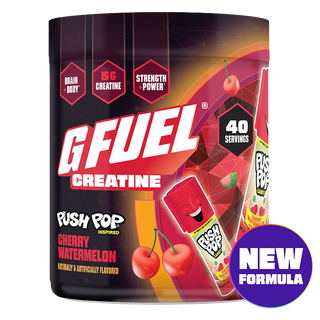
That last point matters when choosing a product. Naked Nutrition specifically flags that artificial fillers, sweeteners, and additives in some flavoured creatine products cause digestive issues that have nothing to do with creatine. A clean formula like the G FUEL creatine at 5g monohydrate with zero sugar avoids that variable.
How Do You Prevent Creatine Bloating?
Five changes handle nearly all of it.
- Skip the loading phase. Take 3 to 5 grams daily from the start. You reach the same muscle saturation in three to four weeks instead of one, with far less risk of bloating.
- Take it with food. A meal buffers the osmotic effect, slows gastric emptying, and improves creatine uptake into muscle when it includes carbs and protein.
- Dissolve it properly. Use room-temperature or warm water, at least 8 ounces, stir for a full minute, and drink it immediately rather than letting it settle.
- Split the dose. Two smaller servings across the day reduce the load on your digestive system compared with one larger hit.
- Increase your water intake. Add roughly 16 to 24 ounces of water per day when you start creatine to support the increased cellular demand.
A micronized monohydrate also dissolves more completely than standard powder, which reduces the undissolved particles that cause the problem in the first place.
How Long Does Creatine Bloating Last?
- GI bloating stops almost immediately once you lower the dose or improve how the powder dissolves.
- Intramuscular water retention stabilises within one to four weeks as muscle stores reach saturation.
- Water retention persists while you keep taking creatine, but it resolves within a few weeks of stopping.
- Many people never experience bloating at all; individual response varies significantly.
The distinction is worth holding onto. If your stomach feels tight and gassy, that is fixable this week. If your arms and legs look fuller, that is creatine working as intended.
Is Creatine Bloating The Same As Weight Gain?
No, and the scale is a poor instrument here. A one-to-three-pound increase in the first week or two reflects fluid shifting into muscle cells, not fat accumulation. Any weight gain from creatine is water or muscle.
The visual effect is the opposite of what people fear. The water sits inside the muscle fibre rather than under the skin, so muscles look fuller and more defined rather than soft. If you are tracking body composition, use measurements and progress photos alongside weight rather than relying on the scale alone.
Staying hydrated supports the whole process, and a caffeine-free Hydration Formula with electrolytes helps maintain fluid balance without adding a stimulant on top of your existing routine.
Take It Right, Skip The Bloat
Creatine bloating is largely a dosing problem wearing a supplement's name. Drop the loading phase, take 5 grams with a meal, dissolve it properly, and drink more water. Most people who thought they were creatine intolerant were simply taking it wrong. Keep a clean energy formula in the rotation for training focus and rotate in a new arrival when the routine starts to feel stale.
These statements have not been evaluated by the Food and Drug Administration. This product is not intended to diagnose, treat, cure, or prevent any disease. G FUEL is intended for healthy adults 18 and older.
Frequently Asked Questions
Q. Does Creatine Make You Bloated?
Creatine can cause two types of bloating: normal water retention inside muscle cells, and gastrointestinal bloating from doses that overwhelm gut absorption. The second type is largely preventable by skipping the loading phase and taking 3 to 5 grams daily with food.
Q. How Do You Get Rid Of Creatine Bloating?
Lower your dose to 3 to 5 grams daily, take it with a meal, dissolve it fully in warm or room-temperature water, split the dose across the day, and increase water intake by 16 to 24 ounces. GI bloating usually resolves within days of these changes.
Q. How Long Does Creatine Bloating Last?
Digestive bloating stops within days of lowering the dose. Intramuscular water retention stabilises in one to four weeks as muscle stores saturate, and resolves within a few weeks of stopping creatine entirely.
Q. Does Creatine Bloating Go Away?
Yes. Water retention stabilises once muscle creatine stores reach saturation, typically within one to four weeks, and reverses if you stop taking creatine. GI bloating resolves as soon as the dose or preparation method is corrected.
Q. Is Creatine Bloating Fat Gain?
No. Creatine contains no calories and does not promote fat storage. The one-to-three-pound increase most people see in the first weeks is water moving into muscle cells, which makes muscles look fuller rather than softer.
Q. Does Skipping The Loading Phase Prevent Bloating?
Largely, yes. Loading protocols of 20 to 25 grams daily are the most common cause of creatine bloating. A standard 3 to 5 gram daily dose reaches the same muscle saturation in three to four weeks with far less risk of water retention and digestive discomfort.