





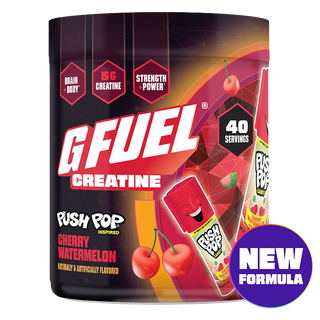
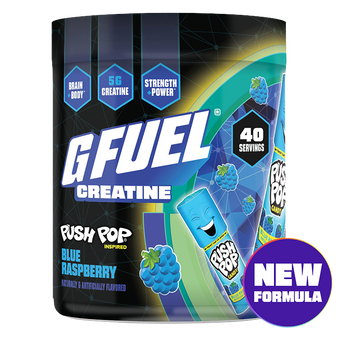
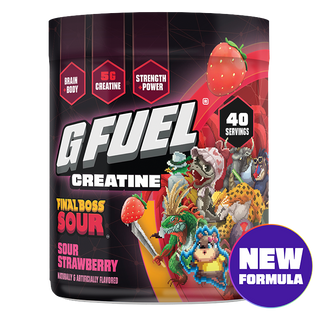


Professional athletes across nearly every power and team sport supplement with creatine, and they do it openly because creatine is legal, safe, and endorsed by the world's leading sports nutrition organizations. The ISSN considers creatine monohydrate the most effective ergogenic nutritional supplement available for increasing high-intensity exercise capacity. The IOC, NCAA, NFL, NBA, NHL, MLB, and every major professional sports league permit creatine use without restriction. No banned substance list in competitive sports includes creatine.
The supplement works because the demands of sport- explosive sprints, repeated high-intensity efforts, rapid direction changes, and maximal-force collisions- are precisely the types of activity that the phosphocreatine-ATP system fuels. Every athlete whose performance depends on short, intense bursts stands to benefit from having fuller energy reserves in those moments.
Which Sports Benefit Most From Creatine?
Creatine's performance benefits are specific to the phosphagen energy system, which powers efforts lasting 0 to 30 seconds at maximal or near-maximal intensity. Sports that rely heavily on this system see the most direct transfer.
Power Sports
Weightlifting, powerlifting, Olympic lifting, strongman, and throwing events (shot put, discus, javelin) are built around single maximal efforts. Creatine's ability to increase 1-rep max strength and peak power output translates directly into competitive performance. Studies show 5 to 15% improvements in strength and power tasks with creatine supplementation combined with training.
Team Sports
Football, basketball, soccer, hockey, lacrosse, and rugby involve repeated sprint bouts, rapid accelerations, and explosive jumps interspersed with brief recovery periods. Creatine improves repeated sprint ability, meaning the 10th sprint of a game is performed closer to the intensity of the first sprint. For team sport athletes, this translates to sustained intensity deeper into games when opponents begin to fade.
Combat Sports
Wrestling, MMA, boxing, and judo require explosive takedowns, clinch work, and rapid transitions between high-intensity grappling and striking. Creatine supports the short-burst power these moments demand. Weight-class considerations apply (creatine adds 1 to 3 kg of water weight), so combat athletes typically cycle creatine during training blocks and discontinue 3 to 4 weeks before weigh-in.
Racquet Sports
Tennis, badminton, and squash involve repeated explosive movements (serves, smashes, lunges, rapid direction changes) separated by brief rest. Creatine supports the recovery between points and the explosive quality of each individual shot.
Sprinting and Track Events
Events under 400 meters benefit directly from creatine's ATP-recycling support. The 100m, 200m, and 400m are powered primarily by the phosphagen and glycolytic energy systems, both of which benefit from elevated creatine stores. Longer distances (800m and above) see diminishing returns because aerobic metabolism becomes the dominant energy source.
Do Professional Athletes Actually Take Creatine?
Yes. Creatine is one of the most widely used supplements in professional sports. Surveys of elite athletes consistently show creatine among the top three most commonly reported supplements alongside protein and caffeine. The supplement is permitted by every major governing body, and its safety profile makes it a low-risk, high-reward addition to any training program.
The reason more athletes do not publicly discuss creatine use is not controversy but normalcy. Creatine is so widely accepted that mentioning it is like mentioning that you drink water during training. For the athlete and student ICP, the relevant takeaway is that creatine is not a fringe supplement. A scoop of Energy Formula at 140mg caffeine handles the pre-session alertness, while creatine handles the cellular energy reserves that determine how hard you can push when it counts. Our guide on the impact of energy powders on athletic performance covers how caffeine and amino acids support the other side of the performance equation.
Sport-Specific Dosing Considerations
The standard dosing protocol (3 to 5 grams of creatine monohydrate per day, every day) applies across all sports. The ISSN's body-weight-based formula (0.3g/kg during loading, 0.03 to 0.05g/kg for maintenance) offers precision for athletes who want to scale dosing to their size.
For Weight-Class Athletes
Creatine's water-retention effect (1 to 3 kg) requires strategic management. Options include supplementing during training blocks and discontinuing 3 to 4 weeks before weigh-in (allowing water weight to normalize), or factoring the water weight into your competition target from the start to maintain creatine's benefits through competition day. Our guide on creatine and weight gain covers the full picture.
For Endurance Athletes
Creatine does not improve steady-state aerobic performance, but endurance athletes who incorporate interval training, hill sprints, or gym-based strength sessions can benefit from creatine during those high-intensity components. A cyclist who uses creatine during off-season strength blocks may build more power that carries over into race-season efforts, even if creatine is not directly improving the endurance ride itself.
For Young Athletes (18+)
Creatine is intended for adults 18 and older. The ISSN and Cleveland Clinic recommend that athletes under 18 consult a healthcare provider before supplementing. For college athletes (18+), creatine is permitted by the NCAA but cannot be provided by the institution, meaning athletes must purchase and use it independently.
How Creatine Fits Into an Athlete's Supplement Stack
A complete athletic supplement routine covers four pillars, and creatine occupies a unique position because it requires zero timing precision.
- Energy and focus: a clean pre-workout or Energy Formula before training. Handles alertness, motivation, and reduced perceived effort. Timing matters (15 to 45 minutes pre-session).
- Cellular fuel: creatine monohydrate at 3 to 5 grams daily, at any time. Handles ATP recycling, strength, and long-term recovery. Timing does not matter as long as the dose is daily.
- Hydration: a caffeine-free Hydration Formula during or after sessions. Handles electrolyte balance and fluid retention, which is especially important because creatine increases the body's water demand. Our guide on how much water to drink with creatine covers the hydration protocol.
- Recovery: adequate protein (1.6 to 2.2g per kilogram daily) from food and supplements like Energy + Protein. Handles muscle repair and growth. Post-workout timing is ideal but not critical.
Creatine stacks with all of these without conflict. Mix it into whichever drink you are already having, take it at whatever time fits your routine, and let daily consistency do the work.
Common Athlete Concerns About Creatine
Does creatine cause cramping?
No. Multiple studies have found no increase in muscle cramping associated with creatine supplementation. The myth persists from early anecdotal reports, but controlled research has consistently failed to replicate the claim.
Does creatine cause dehydration during training?
No. Creatine draws water into muscle cells but does not deplete systemic hydration when adequate water intake is maintained. Studies have found no increase in dehydration or heat illness risk from creatine supplementation in athletes who stay properly hydrated.
Will creatine show up on a drug test?
No. Creatine is not a banned substance in any sport and does not appear on any anti-doping agency's prohibited list, including WADA, USADA, and NCAA testing panels. Creatine supplementation may modestly elevate serum creatinine (a kidney function marker), so inform your healthcare provider if blood work is part of your athletic screening. Our guide on creatine vs creatinine covers the blood-test nuance.
Fuel the Athlete in You
Creatine is the rare supplement that delivers what it promises, backed by hundreds of studies and used by athletes at every level of competition. Stack it alongside a clean energy formula for pre-session alertness and rotate in a new arrival when the lineup starts to feel stale. Consistent creatine, consistent training, and clean fuel compound into the kind of performance gains that show up on the field, the court, and the platform.
Frequently Asked Questions
Q. Do professional athletes take creatine?
Yes. Creatine is one of the most widely used supplements in professional sports. Surveys of elite athletes consistently rank creatine among the top three most commonly reported supplements. All major sports leagues and governing bodies permit its use.
Q. Is creatine legal in sports?
Yes. Creatine is legal and permitted by the IOC, NCAA, NFL, NBA, NHL, MLB, WADA, USADA, and every major professional sports organization. Creatine is not classified as a banned substance or performance-enhancing drug.
Q. Which athletes benefit most from creatine?
Athletes in power sports (weightlifting, sprinting, throwing), team sports (football, basketball, soccer, hockey), and combat sports (wrestling, MMA, boxing) benefit most because these activities rely on the phosphagen energy system that creatine supports.
Q. Can college athletes take creatine?
Yes. The NCAA permits creatine use by athletes 18 and older. However, NCAA institutions cannot provide creatine supplements to athletes. College athletes must purchase and use creatine independently.
Q. Does creatine cause muscle cramps in athletes?
No. Controlled research has consistently found no increase in muscle cramping associated with creatine supplementation. Adequate hydration and electrolyte intake further reduce any cramping risk during training.
Q. Should endurance athletes take creatine?
Creatine does not improve steady-state aerobic performance. Endurance athletes who incorporate interval training, strength sessions, or sprint work into their programs can benefit from creatine during those high-intensity components.