







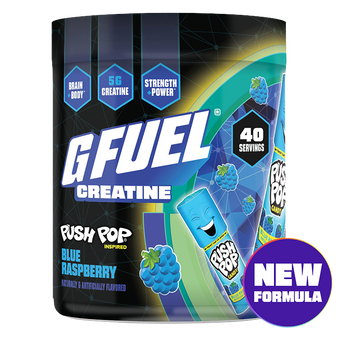



Creatine and creatinine are not the same thing, and confusing them causes unnecessary worry every time a blood test comes back. Creatine is a performance compound stored in your muscles and brain that helps regenerate ATP (your cells' energy currency) during high-intensity activity. Creatinine is the waste product your body creates after creatine has done its job. Creatine is useful. Creatinine is garbage, literally, filtered out of your blood by your kidneys and excreted in urine.
The confusion matters because creatinine levels on a blood test are used to estimate kidney function. When creatinine shows up elevated, it can look like a red flag for kidney problems, even when the real reason is creatine supplementation, a hard workout, or simply having a lot of muscle mass. Understanding the difference prevents misdiagnosis, unnecessary anxiety, and the common mistake of quitting a supplement that is actually working exactly as intended.
Our full guide covers what each compound does, how they are related, why creatine supplementation raises creatinine levels, and how to talk to your doctor about it.
What Is Creatine?
Creatine is a naturally occurring compound made from three amino acids: arginine, glycine, and methionine. Your body produces roughly half of its creatine supply in the liver, kidneys, and pancreas. The other half comes from dietary sources, primarily red meat, fish, and dairy. Approximately 95% of your body's creatine is stored in skeletal muscle as phosphocreatine, with the remaining 5% in the brain, heart, and other tissues.
Creatine's job is energy production. When your muscles contract during a heavy lift, a sprint, or a fast-twitch reflex, they burn ATP. Phosphocreatine donates a phosphate group to regenerate ATP from spent ADP, allowing another round of contraction. More creatine in the muscle means faster ATP recycling, which translates to more reps, heavier loads, and faster recovery between sets. Supplementing with creatine monohydrate at 3 to 5 grams per day increases these stores by 15 to 40%, according to the ISSN.
Beyond muscle, creatine also supports brain function. Neurons use the same phosphocreatine-ATP system to fire rapidly during cognitively demanding tasks. Research published in Frontiers in Nutrition found that creatine supplementation may improve memory, executive function, and processing speed. A scoop of Energy Formula handles the alertness side of cognitive performance, while creatine supports the cellular energy reserves underneath.
What Is Creatinine?
Creatinine is the metabolic end product of creatine. After creatine and phosphocreatine have been used for energy production in muscle cells, a small percentage breaks down into creatinine. Creatinine has no active physiological role. Your body treats it as waste, filtering it out of the blood through the kidneys and excreting it in urine.
Because creatinine is produced at a relatively constant rate (based on muscle mass and activity level) and filtered at a rate proportional to kidney function, blood creatinine levels serve as a convenient marker for how well your kidneys are working. The National Kidney Foundation uses serum creatinine to calculate estimated glomerular filtration rate (eGFR), which is the standard measure of kidney function in clinical medicine.
Normal serum creatinine ranges are approximately 0.5 to 1.1 mg/dL for women and 0.6 to 1.2 mg/dL for men. Values above these ranges can indicate reduced kidney function, but several non-kidney factors also influence the number.
Why Creatine Supplementation Raises Creatinine Levels
More creatine in your muscles means more creatine breaking down into creatinine. The increase is a direct mathematical consequence of having more raw material (creatine) undergoing the same metabolic process (breakdown into creatinine). Supplementing with 3 to 5 grams of creatine daily can elevate serum creatinine by a modest but measurable amount, enough to push values above the standard reference range on a blood test.
The elevation does not indicate kidney damage in healthy individuals. The kidneys are not struggling to filter the creatinine. There is simply more creatinine to filter because there is more creatine in the system. The distinction is critical: the kidneys are doing more work in absolute terms but are not impaired. Multiple studies and the Cleveland Clinic confirm that creatine supplementation at recommended doses has not been shown to impair kidney function in healthy adults.
However, a doctor who does not know you are supplementing creatine may see the elevated creatinine and flag it as a potential kidney concern. Our guide on what creatine is and how it works covers the full safety profile.
What to Tell Your Doctor
Before any blood test, tell your healthcare provider that you are taking creatine supplements and at what dose. Specifically, mention that creatine monohydrate supplementation is known to modestly elevate serum creatinine levels without indicating kidney impairment. Providing this context prevents unnecessary follow-up tests, imaging, or referrals based on a number that has a clear, benign explanation.
If your doctor wants to confirm kidney function despite the creatine context, a cystatin C test is a more accurate alternative. Cystatin C is a protein filtered by the kidneys that is not affected by muscle mass, diet, or creatine supplementation. An eGFR calculated from cystatin C gives a cleaner picture of kidney function for anyone taking creatine.
Other Factors That Elevate Creatinine
Creatine supplementation is not the only reason creatinine levels rise above the standard range. Several other factors produce the same effect without indicating kidney problems.
- High muscle mass. More muscle produces more creatinine through normal metabolic breakdown. Athletes, bodybuilders, and anyone with above-average lean mass may show elevated creatinine simply because of body composition.
- Intense exercise. A hard workout temporarily increases creatinine levels as muscle tissue undergoes accelerated metabolic activity. Blood tests taken within 24 to 48 hours of intense training may show elevated creatinine that normalizes with rest.
- High-protein diet. Consuming large amounts of red meat (a major dietary source of creatine) increases creatinine production. A blood test after a high-protein meal may show temporarily elevated values.
- Dehydration. Reduced fluid volume concentrates creatinine in the blood, making levels appear higher than they would be in a well-hydrated state. Staying hydrated is especially important before blood work. Our guide on how much water to drink with creatine covers the full hydration protocol.
When to Be Concerned
Elevated creatinine warrants medical attention when it occurs alongside other signs of kidney impairment: persistent fatigue, swelling in the legs or ankles, changes in urination frequency or volume, foamy urine, or unexplained nausea. If creatinine is elevated and you have a history of kidney disease, diabetes, or high blood pressure, consult your healthcare provider before continuing creatine supplementation.
For healthy adults with no kidney history, elevated creatinine during creatine supplementation is almost always a benign, expected finding. The ISSN, Cleveland Clinic, and multiple systematic reviews support this conclusion. Our guide on creatine and weight gain covers another commonly misunderstood side effect.
Know the Difference, Skip the Worry
Creatine fuels your muscles and brain. Creatinine is the leftover waste your body clears after the fuel has been used. One is a supplement worth taking. The other is a number on a lab report worth understanding. Tell your doctor about your supplementation before blood work, and let the science do the talking. Keep a clean energy formula in the rotation for session fuel, a Hydration Formula for electrolyte balance, and a classic flavor on the desk. Rotate in a new arrival when the routine starts to feel stale.
Frequently Asked Questions
Q. What is the difference between creatine and creatinine?
Creatine is a performance compound that helps muscles and the brain regenerate ATP for energy. Creatinine is the waste product created when creatine breaks down. Creatine is stored in muscles and used actively. Creatinine is filtered by the kidneys and excreted in urine.
Q. Does creatine supplementation raise creatinine levels?
Yes. More creatine in the muscles means more creatine breaking down into creatinine. The elevation is a predictable, benign consequence of supplementation, not an indicator of kidney damage in healthy individuals.
Q. Should I stop taking creatine if my creatinine is high?
Not necessarily. If you are healthy and your doctor knows you supplement creatine, elevated creatinine is expected and does not indicate kidney impairment. If you have pre-existing kidney disease or other risk factors, consult your healthcare provider before continuing.
Q. Does creatine damage the kidneys?
No, in healthy individuals. Creatine supplementation at recommended doses (3 to 5 grams per day) has not been shown to impair kidney function. People with pre-existing kidney disease should avoid creatine and consult a healthcare provider.
Q. What blood test should I get if I take creatine?
Ask your doctor about a cystatin C test. Cystatin C is not affected by muscle mass, creatine supplementation, or diet, making it a more accurate marker of kidney function for anyone who supplements creatine or has above-average muscle mass.
Q. Can a high-protein diet raise creatinine levels?
Yes. Consuming large amounts of red meat increases creatinine production because meat is a major dietary source of creatine. A blood test taken after a high-protein meal may show temporarily elevated creatinine that normalizes with time.