



Mild dehydration slows your reaction time before you feel thirsty. A fluid loss of just 1 to 2% of body weight measurably impairs reaction time, focus, and decision-making, and in a game decided by milliseconds, that is the difference between the clutch and the respawn screen. The problem is that gaming actively works against hydration: deep focus suppresses thirst, setups run warm, and most players reach for caffeine instead of water.
The fix is simple and cheap: drink consistently before you feel thirsty, replace electrolytes on long sessions, and pair every caffeinated drink with water.
How Dehydration Slows Your Reaction Time
The brain is roughly 75% water, and it is highly sensitive to fluid balance.
- 1 to 2% fluid loss impairs cognitive performance, including reaction time, attention, and short-term memory.
- The mechanism: dehydration reduces blood volume, which slows the delivery of oxygen and glucose to the brain. Neurons fire less efficiently, and processing speed drops.
- The catch: thirst is a lagging signal. Once you feel thirsty, you are already mildly dehydrated and already slower.
For a competitive gamer, that means hydration is not a wellness nicety; it is a performance variable as real as your sensitivity settings or your monitor's refresh rate.
Why Gaming Makes Dehydration Worse
Three factors compound during a long session.
- Focus suppresses thirst. Deep concentration overrides the body's thirst cues, so you simply do not notice you need water.
- Warm setups. Gaming rigs, monitors, and closed rooms run warm, increasing insensible fluid loss through sweat and respiration.
- Caffeine over water. Players reach for energy drinks, and while modern research shows moderate caffeine does not dehydrate, caffeine is not a substitute for actual water intake.
The Electrolyte Factor
Water alone is not the whole story for sessions over two hours.
- Sweat and increased fluid throughput deplete electrolytes: sodium, potassium, and magnesium.
- These minerals regulate the nerve signaling and muscle function that hydration supports. Low levels contribute to fatigue and reduced focus.
- Replacing electrolytes, not just water, is what keeps cellular hydration optimal during marathon sessions.
A caffeine-free Hydration Formula with electrolytes and L-Tyrosine is built for exactly this: mineral replacement plus focus support, with zero stimulant to stack on top of your energy drink. Our guide on the benefits of electrolytes in hydration drinks covers each mineral's role.
The Gamer's Hydration Routine
Five habits keep reaction time sharp across a long session.
- Pre-hydrate. Drink 16 to 20oz of water in the 1 to 2 hours before a ranked session or tournament.
- Sip on a schedule, not on thirst. Keep a bottle in reach and drink every 20 to 30 minutes. Do not wait for the thirst signal.
- Add electrolytes past the two-hour mark. For long sessions, switch to or add an electrolyte drink to replace what water alone cannot.
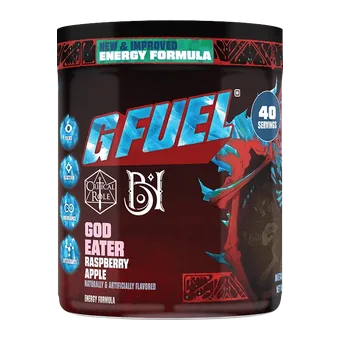
- Pair caffeine with water. For every caffeinated energy drink, match it with equal or greater water. G FUEL powder builds this in, since each scoop mixes into 16oz of water.
- Watch your urine color. Pale yellow means hydrated; dark yellow means you are behind. Urine color is the simplest real-time check.
How G FUEL Fits a Hydration-First Setup
The powder format has a structural hydration advantage over cans.
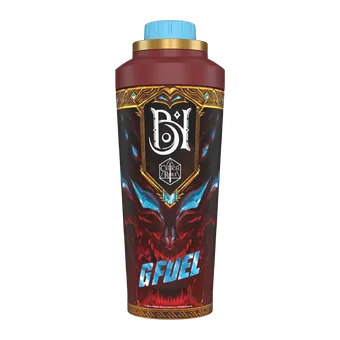
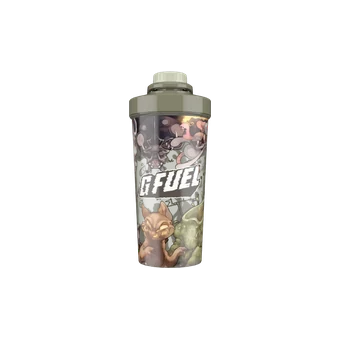
- Every dose is 16oz of water. Mixing Energy Formula into a full shaker means you hydrate while you caffeinate.
- Caffeine-free hydration on tap. The Hydration Formula covers the electrolyte side for long sessions without adding stimulants.
- Dose control. Adjust caffeine to the session while keeping water intake consistent.
For the focus side of long sessions, our guide on staying focused for hours covers what sustains performance beyond hydration alone.
Hydrate to Win
Reaction time is trainable, but it is also destroyable by something as basic as not drinking enough water. Mild dehydration slows you down before you feel it, and gaming makes dehydration worse. Pre-hydrate, sip on a schedule, add electrolytes on long sessions, and pair caffeine with water. Keep a Hydration Formula on the desk and rotate in a new arrival when the routine starts to feel stale.
Frequently Asked Questions
Q. Does hydration affect reaction time in gaming?
Yes. A fluid loss of just 1 to 2% of body weight measurably slows reaction time, attention, and decision-making. Dehydration reduces blood flow to the brain, making neurons fire less efficiently. In games decided by milliseconds, hydration is a real performance variable.
Q. How much water should a gamer drink during a session?
Pre-hydrate with 16 to 20oz in the 1 to 2 hours before playing, then sip every 20 to 30 minutes during the session rather than waiting for thirst. For sessions over two hours, add an electrolyte drink to replace minerals lost through sweat.
Q. Do energy drinks hydrate you while gaming?
Powder energy drinks mixed with 16oz of water contribute to hydration. Modern research shows moderate caffeine does not dehydrate, but caffeine is not a substitute for water. Pair every caffeinated drink with equal or greater water intake.
Q. Why do gamers get dehydrated?
Deep focus suppresses thirst cues, gaming setups and closed rooms run warm (increasing fluid loss), and players tend to reach for caffeine over water. Together, these make it easy to become mildly dehydrated without noticing during a long session.
Q. Do electrolytes help gaming performance?
For sessions over two hours, electrolytes (sodium, potassium, magnesium) support the nerve signaling and cellular hydration that plain water alone cannot fully maintain. Replacing electrolytes helps sustain focus and reaction time during marathon sessions.
Q. What is the best drink for gaming hydration?
Water is the baseline. For long sessions, a caffeine-free electrolyte hydration drink provides better cellular hydration and mineral replacement. Pairing a caffeinated energy drink with water or an electrolyte formula covers both focus and hydration.