



If you're balancing gym sessions with gaming marathons, you already know the struggle. Your body needs fuel for both activities, but the requirements are different. While everyone talks about protein for gym gains, there's another piece of the puzzle most guides ignore - having enough energy to actually complete those workouts effectively.
Whether you're grinding at the gym before an 8-hour streaming session or squeezing in workouts between ranked matches, understanding both your protein needs for exercise AND energy requirements can make or break your performance. Let's break down exactly how much protein you need and why smart supplementation matters for modern athletes who play.
How Much Protein Do You Need Daily When Working Out?
The amount of protein and fitness goals are directly connected. Here's what science says about daily protein requirements for athletes:
Basic Activity Level:
- Sedentary adults: 0.8g per kg body weight (0.36g per pound)
- Light exercise: 1.0-1.2g per kg (0.45-0.54g per pound)
Regular Training:
- Recreational athletes: 1.2-1.4g per kg (0.54-0.64g per pound)
- Endurance training: 1.2-1.7g per kg (0.54-0.77g per pound)
Intense Training:
- Strength training: 1.6-2.2g per kg (0.73-1g per pound)
- Bodybuilding: 1.6-2.4g per kg (0.73-1.1g per pound)
For a 70kg (154lb) gamer who works out 4-5 times per week:
- Minimum: 84-98g protein daily
- Optimal for muscle building: 112-154g protein daily
- Maximum beneficial: 168g protein daily
Mike from Austin tracks his intake religiously: "I need 140g protein daily for my workout goals, but what really changed my game was adding G FUEL Energy + Protein. Getting 15g of quality whey protein WITH my pre-workout energy? Game changer."
What's the Best Timing for Protein After Exercise?
Understanding how much protein after exercise and when to take it makes a huge difference in your fitness protein intake:
The Post-Workout Window:
- 0-2 hours after: Most critical for muscle recovery
- 20-40g protein: Optimal single serving amount
- Fast-absorbing sources: Whey protein or lean meats work best
Throughout the Day:
- Every 3-4 hours: Spread protein consumption for fitness
- 20-30g per meal: Maximum muscle protein synthesis
- Before bed: 25-40g casein for overnight recovery
But here's what most guides miss - exercise and protein intake work together with energy management. You need fuel to train hard enough to make that workout protein count.
How Does Exercise Intensity Affect Protein Needs?
Your after workout protein requirements change based on workout type and exercise protein requirements:
Low-Intensity (Walking, Light Cardio):
- Standard intake: 0.8-1.2g per kg
- Timing less critical
- Focus on daily total
Moderate-Intensity (Regular Gym Sessions):
- Increased needs: 1.4-1.7g per kg
- Post-workout window matters
- Quality sources important
High-Intensity (Heavy Lifting, HIIT):
- Maximum needs: 1.6-2.2g per kg
- Critical timing windows
- Multiple daily servings
Gaming + Training Combination:
- Mental fatigue increases recovery needs
- Higher protein for gym recovery
- Energy management crucial
Marcus from Phoenix discovered this balance: "As a trainer who plays games, I see how mental fatigue affects physical recovery. I need more post-exercise protein when I'm doing both than just working out alone."
Why Do Gamers Who Work Out Need Different Nutrition?
Gaming athletes face unique challenges that affect protein and fitness requirements:
The Double Demand:
- Physical recovery from workouts
- Mental recovery from intense gaming
- Extended sitting after training
- Irregular eating schedules
Common Problems:
- Late-night gaming disrupting recovery
- Forgetting meals during long sessions
- Energy drinks interfering with protein absorption after exercise
- Poor hydration affecting muscle recovery
Sarah from LA manages both: "Streaming 6-8 hours after morning workouts means I need sustained energy AND recovery. The chocolate G FUEL Energy + Protein gives me both - 15g protein plus the energy to stay sharp on stream."
What Role Does Energy Play in Protein Utilization?
Here's the connection between energy and protein for gym results that most people miss:
Energy's Impact on Protein:
- Powers protein synthesis
- Enables intense training
- Supports recovery processes
- Maintains anabolic state
Without Adequate Energy:
- Protein gets used for fuel instead of muscle building
- Training intensity drops
- Recovery slows
- Mental performance suffers
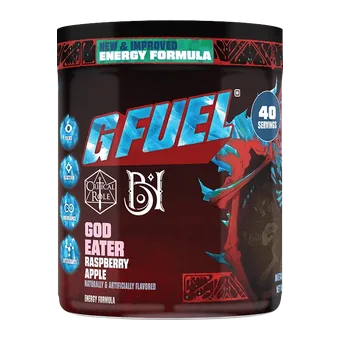
This is where smart supplementation comes in. Products like G FUEL Energy + Protein provide both benefits - gym protein needs plus clean energy for performance.

How Can You Balance Protein Intake with Gaming Schedules?
Creating a sustainable plan for exercise and protein intake when you game requires strategy:
Morning Workout + Evening Gaming:
- Pre-workout: G FUEL Energy + Protein (15g protein + caffeine)
- Post-workout: 30-40g additional after workout protein
- Afternoon: Balanced meal with 25-30g protein
- Pre-gaming: Light protein snack
- During gaming: Hydration focus
Evening Workout + Late Gaming:
- Afternoon: Substantial meal with fitness protein requirements
- Pre-workout: Energy + Protein for fuel
- Post-workout: Quick post-workout protein needs (20-30g)
- Gaming fuel: Caffeine-free options if late
Emma from Boston balances it all: "Between classes, gym, and gaming, I need a system. The starter kit helps me test what works without committing to full tubs."
What Are the Best Protein Sources for Active Gamers?
Choosing the right protein and fitness foods matters for dual-performance athletes:
Quick Options (Perfect for Gaming):
- Protein powder: 20-30g per scoop
- Greek yogurt: 15-20g per cup
- Protein bars: 15-25g each
- Hard-boiled eggs: 6g each
- G FUEL Energy + Protein: 15g plus energy boost
Meal Prep Winners:
- Chicken breast: 31g per 100g
- Lean beef: 26g per 100g
- Fish: 20-25g per 100g
- Tofu: 8g per 100g
Gaming-Friendly Snacks:
- Mixed nuts: 6g per ounce
- String cheese: 6-8g per stick
- Beef jerky: 10-15g per serving
- Protein smoothies: 20-40g customizable
How Much Water Affects Protein and Performance?
Hydration directly impacts how much protein you need to utilize effectively:
Dehydration Effects:
- Reduces protein synthesis by 20%
- Slows recovery
- Impairs performance
- Increases fatigue
Optimal Hydration:
- 3-4 liters daily for active individuals
- Extra 500ml per hour of exercise
- More during long gaming sessions
- Electrolyte balance matters
The combination of proper hydration and protein intake for exercise maximizes both recovery and performance.
What Mistakes Do Gaming Athletes Make with Protein?
Common errors that sabotage after workout protein effectiveness:
Mistake 1: Protein Without Energy Taking post-training protein but lacking energy for proper workouts
Mistake 2: Poor Timing Missing post-workout windows due to gaming schedules
Mistake 3: Inconsistent Intake Great protein consumption on workout days, forget on gaming days
Mistake 4: Ignoring Total Calories Protein needs energy to build muscle
Mistake 5: One-Size-Fits-All Not adjusting for individual exercise protein needs
David from Seattle learned from experience: "With limited time, I can't afford mistakes. Consistent protein timing after workouts plus G FUEL for energy maximized my results."
How Does G FUEL Energy + Protein Support Your Goals?
While traditional protein powders focus only on muscle recovery, G FUEL Energy + Protein addresses both protein and workout needs:
What Makes It Different:
- 15g high-quality whey protein per serving
- 140mg caffeine (same as regular G FUEL)
- Keto-friendly formulation
- Premium coffee extract or real cocoa powder
- Perfect for gaming athletes
Ideal Usage Scenarios:
- Pre-workout fuel with protein for muscle building
- Post-gaming recovery when you still need energy
- Afternoon pick-me-up with nutritional benefit
- Travel-friendly workout protein supplement
What's the Ideal Daily Schedule for Protein and Energy?
Here's a sample day for a 70kg gaming athlete needing 140g protein:
7 AM - Wake Up
- 16oz water
- Optional: Light G FUEL if morning workout
8 AM - Breakfast
- 3 eggs + toast (20g protein)
- Greek yogurt (15g protein)
10 AM - Pre-Workout
- G FUEL Energy + Protein (15g protein + energy)
- Banana for quick carbs
12 PM - Post-Workout
- Additional protein shake (30g)
- Simple carbs for recovery
3 PM - Lunch
- Chicken breast + rice (35g gym protein intake)
- Vegetables for nutrients
6 PM - Dinner
- Fish + quinoa (30g protein)
- Salad for fiber
8 PM - Gaming Fuel
- Light protein snack (10g)
- Regular G FUEL if needed (avoid if sleeping soon)
10 PM - Pre-Sleep
- Casein protein or cottage cheese (20g)
- Supports overnight recovery
Total: 175g protein
How Can You Track Progress with Protein and Fitness?
Monitoring ensures you're meeting protein needs for working out:
What to Track:
- Daily protein intake for athletes
- Workout performance
- Energy levels
- Recovery time
- Body composition
Useful Tools:
- MyFitnessPal for macros
- Training log for progress
- Body measurements weekly
- Photos for visual progress
Adjustment Signs:
- Slow recovery = increase recovery protein intake
- Low energy = check calories
- Poor performance = evaluate timing
- Plateau = reassess total fitness and protein intake
Frequently Asked Questions
1. Can I get enough protein without supplements?
Yes, whole foods can provide all needed protein for gym goals. Supplements offer convenience when whole foods aren't practical. Focus on lean meats, dairy, eggs, and legumes. Use products like G FUEL Energy + Protein to fill gaps when gaming or busy schedules interfere with meals.
2. How does caffeine affect protein absorption?
Moderate caffeine (like in G FUEL) doesn't negatively impact protein absorption. In fact, pre-workout caffeine can improve training intensity, leading to better protein utilization for muscle growth. Just avoid taking caffeine and protein simultaneously - space them 30-60 minutes apart.
3. Should I take protein on rest days?
Absolutely. Muscle recovery happens on rest days too. Maintain similar daily protein requirements (within 10-20% of training days). Your body repairs and grows during rest, requiring consistent amino acid availability for optimal muscle protein needs.
4. What if I game immediately after working out?
Have a quick after workout protein source (shake or bar) right after training, then settle into gaming. Keep protein-rich snacks nearby. Consider using G FUEL Energy + Protein for both benefits. Post-exercise protein timing remains important even with gaming schedules.
5. How do I balance protein needs with a student budget?
Buy protein powder in bulk, prep meals with affordable sources like eggs and chicken thighs, and use G FUEL Energy + Protein strategically for workouts rather than daily coffee. The combination of energy and workout protein requirements in one product saves money versus buying separately.