
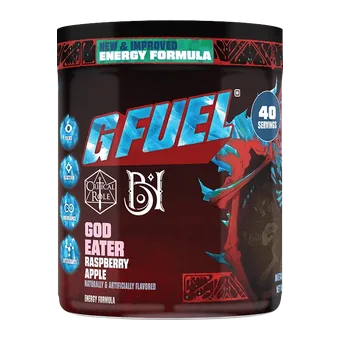


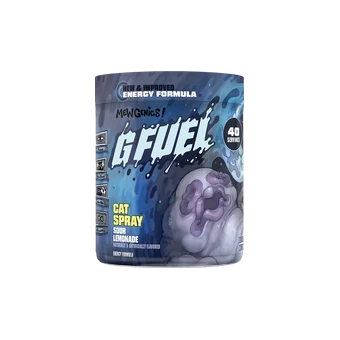
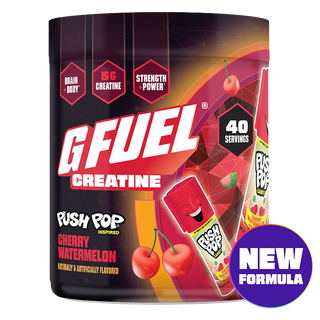
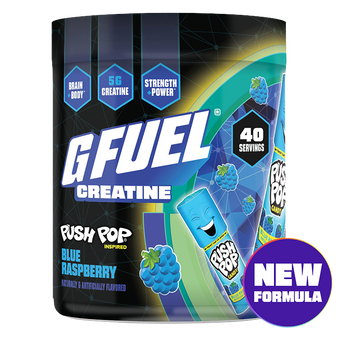
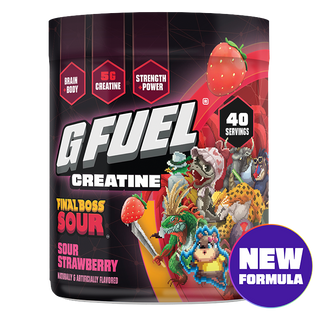


The biggest threat to creatine supplementation is not side effects, cost, or confusion about dosing. The biggest threat is quitting because unflavored creatine monohydrate tastes like chalk dissolved in water. Creatine works through daily consistency over weeks and months, and any barrier that makes you skip days, no matter how small, undermines the entire process. Flavor removes that barrier.
Unflavored creatine monohydrate has a gritty, slightly bitter, slightly metallic taste that most users describe as unpleasant at best and difficult to stomach at worst. The texture does not fully dissolve in cold water, leaving a sandy residue at the bottom of the glass. For a supplement that requires daily intake with no days off, that sensory experience matters. A supplement you enjoy taking is a supplement you actually take.
The full guide below covers why flavored creatine formats are gaining popularity, the practical advantages over unflavored powder, what to look for in a flavored creatine product, and how to make unflavored creatine more tolerable if that is what you already have on hand.
Why Compliance Is the Real Creatine Challenge
Creatine monohydrate is cheap, safe, and backed by more research than almost any other sports supplement. The science is not the problem. The problem is that a meaningful percentage of people who buy creatine stop taking it within the first month, not because it does not work, but because the daily ritual feels like a chore rather than a routine.
Research on supplement adherence consistently shows that taste and convenience are among the strongest predictors of long-term compliance. A supplement that tastes good, mixes easily, and integrates into an existing habit (morning shake, pre-workout drink, post-workout routine) has a dramatically higher stick rate than one that requires willpower to consume.
Creatine's benefits are cumulative and saturation-dependent. Missing 2 to 3 days per week because the taste puts you off reduces intramuscular creatine levels and delays or diminishes the performance gains you are supplementing for. Our guide on the best gaming supplements covers how taste and format affect long-term supplement habits.
The Advantages of Flavored Creatine
Better Taste, Better Adherence
The most obvious advantage. A flavored creatine product that tastes like a fruit drink, a candy-inspired flavor, or a smooth citrus formula turns the daily 5-gram serving from an obligation into something you look forward to. The psychological shift from "I have to take this" to "I want to drink this" is the difference between 30-day compliance and 365-day compliance, and creatine's benefits compound dramatically at the longer timeframe.
Improved Mixability
Many flavored creatine products are formulated with improved mixability in mind. The flavoring agents, sweeteners, and anti-caking additives that create the taste profile also reduce the gritty, sandy texture that makes unflavored creatine unpleasant to drink. The result is a smoother liquid with less sediment, less residue at the bottom of the glass, and a more enjoyable drinking experience overall.
Built-In Routine Integration
Flavored creatine stacks naturally with other flavored supplements in your daily routine. Adding creatine to a pre-workout Energy Formula shake, a post-workout protein shake, or even a morning Hydration Formula drink creates a single habit that covers multiple supplementation goals without requiring a separate, dedicated creatine step.
The flavor synergy matters: unflavored creatine can alter the taste of whatever you mix it into, adding a chalky or metallic undertone. A flavored creatine product designed to complement common shake flavors (citrus with tropical drinks, berry with fruit blends) integrates without disrupting the flavor profile you already enjoy.
Lower Risk of Stomach Issues
Stomach discomfort from creatine is often linked to taking the powder on an empty stomach in water alone. Flavored creatine products are typically mixed with more liquid (12 to 16 ounces versus the minimal water many people use for unflavored), and the flavoring encourages sipping rather than chugging. More liquid volume and slower consumption both reduce the likelihood of stomach upset.
What to Look for in a Flavored Creatine Product
Not all flavored creatine products are equal. Five factors separate a quality product from a sugar-loaded gimmick.
Creatine Monohydrate as the Base
The creatine source should be creatine monohydrate, the most researched and validated form. Some flavored products use creatine hydrochloride or buffered creatine to justify a higher price point, but neither has been shown to outperform monohydrate in peer-reviewed research. Monohydrate is the standard.
Adequate Dose Per Serving
Each serving should contain 3 to 5 grams of creatine. Some flavored products dilute the creatine content to keep costs down or to make room for other ingredients. If the label shows less than 3 grams per serving, you are paying for flavor but under-dosing the creatine.
Zero or Low Sugar
Flavored creatine should get its taste from stevia, monk fruit, sucralose, or natural flavoring, not from 15 grams of added sugar. Sugar adds unnecessary calories and can cause the energy spike-and-crash pattern that undermines the sustained focus creatine and clean supplements are designed to support. Our guide on the best sugar-free energy drinks covers why zero-sugar formulas consistently outperform sugared alternatives.
Transparent Label
No proprietary blends. The label should disclose exactly how much creatine monohydrate is in each serving, alongside every other ingredient and its amount. Proprietary blends hide individual ingredient quantities, which makes it impossible to confirm you are getting an effective creatine dose.
Third-Party Testing
NSF International, Informed Sport, or USP certification confirms the product contains what the label says and is free from contaminants and banned substances. Competitive athletes should prioritize tested products.
How to Make Unflavored Creatine Taste Better
If you already own a tub of unflavored creatine monohydrate and do not want to waste it, several approaches improve the experience.
Mix Into a Flavored Shake
Add your 5-gram creatine serving to a protein shake, an Energy Formula scoop, or a Hydration Formula serving. The dominant flavor masks the creatine's taste, and the larger liquid volume dilutes the gritty texture. Post-workout shakes are the most common pairing because you are already mixing a drink.
Use Warm Water
Creatine monohydrate dissolves significantly better in warm water than in cold. Stirring the powder into warm (not hot) water for 30 seconds produces a cleaner, smoother liquid with far less sediment than the cold-water approach.
Add to Juice or Flavored Water
Grape juice, orange juice, and cranberry juice all mask unflavored creatine effectively. The natural sugars in juice also provide a mild insulin response that may improve creatine absorption into muscle cells, though the effect is modest compared to daily consistency.
Blend into a Smoothie
For users who make a daily smoothie, creatine disappears entirely into a blender full of fruit, yogurt, and ice. The thick texture of a smoothie eliminates the sandy mouthfeel, and the fruit flavors dominate completely.
The Flavor Advantage for Gamers and Creators
Gamers and creators who supplement during sessions face a specific challenge: the supplement needs to taste good enough to sip across a 3-to-4-hour session, not just tolerable enough to chug and forget. Unflavored creatine in a glass of water does not meet that bar.
A flavored creatine mixed into a scoop of Energy Formula or Hydration Formula creates a single drink that covers caffeine (or caffeine-free hydration), focus aminos, electrolytes, and creatine in one enjoyable beverage. That stacking efficiency means one shaker on the desk instead of three, one habit instead of many, and zero friction between you and the full supplement routine. Our guide on staying focused during long gaming sessions covers why routine consistency matters for sustained performance.
Make It Easy, Make It Stick
The best creatine protocol is the one you actually follow every day for months. Flavor turns daily supplementation from a task into a ritual, and rituals stick. Keep a classic flavor in the rotation for daily stacking, rotate in a new arrival when the routine starts to feel stale, and let the compound effect of consistent creatine carry your performance forward.
Frequently Asked Questions
Q. Does flavored creatine work as well as unflavored?
Yes, as long as the flavored product uses creatine monohydrate at an effective dose (3 to 5 grams per serving). The flavoring agents do not affect creatine's mechanism of action. The creatine source and dose determine effectiveness, not the flavor.
Q. How do you make creatine taste better?
Mix unflavored creatine into a flavored shake, energy formula, hydration drink, juice, or smoothie. Using warm water instead of cold also improves dissolving and reduces the gritty texture. The dominant flavor of the beverage masks creatine's natural taste.
Q. Is flavored creatine more expensive than unflavored?
Typically yes, but the price premium is modest (often $0.05 to $0.15 more per serving). The improvement in daily compliance often makes the small additional cost worthwhile, since creatine only works if you take it consistently.
Q. What sweeteners should flavored creatine use?
Stevia and monk fruit are the cleanest options. Sucralose is common and generally well-tolerated. Avoid products with high added sugar (above 3 grams per serving), which adds unnecessary calories and undermines the clean supplementation approach.
Q. Can I mix creatine into my G FUEL shake?
Yes. Creatine monohydrate mixes into an Energy Formula or Hydration Formula shake without issues. The pairing covers caffeine or hydration plus creatine in one drink, simplifying your daily routine to a single habit.
Q. Why do people stop taking creatine?
The most common reason is taste and convenience, not safety or effectiveness. Unflavored creatine's gritty, chalky taste makes daily consumption feel like a chore, and skipping days undermines the saturation process that produces results. Flavored options and shake stacking solve the compliance problem for most users.