



You’ve seen them in the hands of your child’s favorite streamer, in the school cafeteria, and lining the checkout aisles at the grocery store. Brightly colored cans with bold logos promising enhanced energy, focus, and performance. Energy drinks have become a massive part of youth culture, but this trend has left many parents with urgent questions: Are they safe? What are the risks? And what should you do if your child wants to drink them?
The rise in popularity of energy drinks and kids consuming them is a major concern for health experts. It’s easy to feel overwhelmed by conflicting information. This guide is here to provide clear, calm, and factual answers to help you understand the risks and navigate conversations with your child about making healthier choices.
What Are Energy Drinks?
At their core, energy drinks are beverages that contain high amounts of stimulants, primarily caffeine, to increase alertness and energy.
Common Ingredients in Energy Drinks
Beyond water, the key ingredients that set energy drinks apart are:
-
Caffeine: The primary stimulant. The amount can vary wildly between brands.
-
Sugar: Many popular brands contain massive amounts of added sugar, often more than a can of soda.
-
Other Stimulants: Ingredients like guarana (another source of caffeine) and taurine are often included.
-
Vitamins: B vitamins are commonly added to help the body convert food into energy.
How Energy Drinks Differ from Sports Drinks
This is a critical distinction. Sports drinks are designed to rehydrate and replace electrolytes (like sodium and potassium) lost through sweat during intense physical activity. Energy drinks are designed to provide a jolt of energy through stimulants. They are not meant for hydration and should not be used as a sports drink.
Why Do Energy Drinks Appeal to Kids and Teens?
The popularity of energy drinks for teens isn't an accident. Young people are drawn to them for several reasons:
-
Aggressive Marketing: Brands spend billions marketing their products, often using influencer collaborations, esports sponsorships, and social media campaigns that directly target a younger audience.
-
Peer Pressure: When friends are drinking them, it creates a social norm. The desire to fit in or try what’s popular is a powerful motivator for energy drinks and teenagers.
-
Perceived Performance Boost: Teens may believe the drinks will help them stay awake to study for exams or improve their performance in sports or gaming.
Caffeine Content in Energy Drinks: The Core Concern
The central issue with energy drinks and kids is the high caffeine content. A child’s body is not equipped to handle the large doses of stimulants found in these products.
Comparing Caffeine Levels
To put it in perspective, a single 16 oz can of a popular energy drink can contain anywhere from 160 mg to over 300 mg of caffeine.
-
A 12 oz can of cola: ~35 mg of caffeine
-
An 8 oz cup of coffee: ~95 mg of caffeine
-
An 8 oz cup of black tea: ~47 mg of caffeine
The American Academy of Pediatrics (AAP) recommends that children under 12 consume no caffeine at all, and that adolescents aged 12-18 should limit their intake to no more than 100 mg per day. Many high caffeine energy drinks contain several times this recommended daily limit in a single can.
Health Effects of Energy Drinks on Children
The danger of energy drinks for developing bodies is well-documented. The high concentration of stimulants can cause a range of negative health effects.
Short-Term Side Effects of Energy Drinks
Even after one drink, a child may experience:
-
Anxiety, jitters, and nervousness
-
Headaches and stomachaches
-
Difficulty sleeping or insomnia
-
Increased heart rate and heart palpitations
-
Trouble concentrating (the opposite of the intended effect)
Long-Term Health Risks
Regular consumption of energy drinks can lead to more serious issues, especially when there is too much caffeine involved over time. These include:
-
Cardiovascular problems, such as strain on the heart.
-
Increased risk of anxiety and mood disorders.
-
Disruption of still-developing cardiovascular and nervous systems.
-
Dental problems due to high sugar and acid content.
Age Limits and Legal Restrictions
So, what are the official rules? The energy drinks age limit is a hot topic. While there is no federal law in the U.S. banning the sale of energy drinks to minors, many stores have voluntarily implemented their own policies.
More importantly, major health organizations are clear. The recommended age for energy drinks is 18 and over. The AAP has stated that stimulant-containing energy drinks "have no place in the diet of children and adolescents."
Healthy Alternatives for Kids Who Want More Energy
So, what do you do when your child wants an "energy" drink to be like their favorite gamer or to stay hydrated during sports? The answer isn't just saying "no"—it's providing better, safer, and equally "cool" options.
The Best Foundation: Real Food and Hydration
The best source of energy is always a balanced diet, proper hydration with water, and adequate sleep. These are the cornerstones of childhood nutrition education. For a quick boost, snacks like fruit, nuts, or whole-grain crackers are far better than any supplement.
A Smarter Choice: Caffeine-Free and Low-Caffeine Options
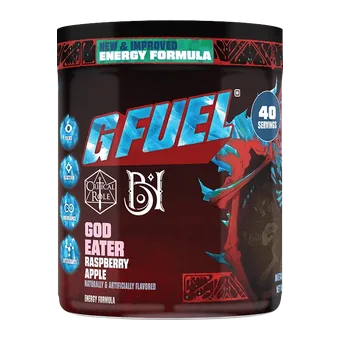
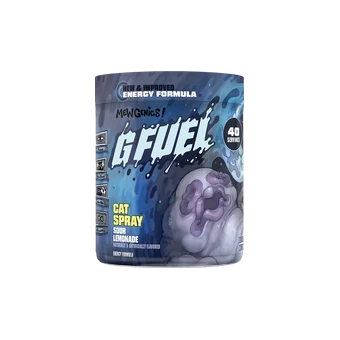
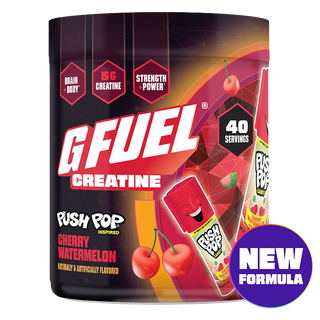
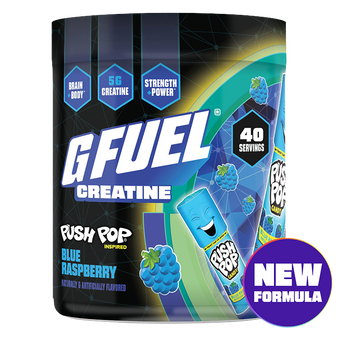
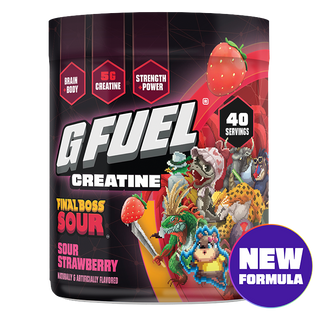
For kids who want a flavorful and fun drink, caffeine-free energy drinks or hydration formulas are the perfect compromise. This is where a brand like G FUEL, which is deeply embedded in the culture your kids admire, offers a fantastic solution.
While the G FUEL Energy Formula is strictly for adults 18+, the brand offers a G FUEL Hydration Formula that is completely caffeine-free.
This makes it one of the best healthy alternatives for energy drinks because:
-
It's Safe: It contains zero caffeine and zero sugar.
-
It Hydrates: It's packed with electrolytes to help with hydration.
-
It Has the "Cool Factor": It comes in the same exciting flavors and tubs as the energy line, featuring epic collaborations with brands your kids love, like the peachy Mango Lemonade Supreme Hydration or the nostalgic Miku's Sweet Melodies Diva Supreme Hydration.
-
It Tastes Amazing: With options like the fan-favorite Sonic's Peach Rings Supreme Hydration, it's a treat they will actually enjoy drinking.
By offering them a G FUEL Hydration Formula, you give them the flavor and brand they want, while you get the peace of mind knowing it's a safe and healthy choice. Starting with a Hydration + Focus Variety Pack can be a great way to introduce them to the brand with a cool, themed shaker cup they can call their own.
How to Talk to Kids About Energy Drinks
The conversation about teenagers and caffeine should be open and educational, not confrontational.
-
Ask, Don't Accuse: Start by asking what they know about energy drinks and why they are interested in them.
-
Share the Facts Calmly: Explain the risks in simple terms. Talk about the caffeine content and how it can affect their sleep, heart, and ability to focus in school.
-
Discuss Marketing: Help them become savvy consumers by pointing out how companies market these drinks to them.
-
Offer a Solution: Introduce them to healthier alternatives, like the G FUEL Hydration line, framing it as a smart and cool choice.
Frequently Asked Questions
1. What is the single biggest danger of energy drinks for kids?
The biggest danger is the high, unregulated caffeine content. A child's smaller body and developing nervous system cannot safely process the massive stimulant dose found in most energy drinks.
2. Are sugar-free energy drinks safe for kids?
No. While they eliminate the risk of high sugar intake, they still contain high levels of caffeine and other stimulants, which are not recommended for children and adolescents.
3. Is it okay for my teen to have an energy drink just once in a while?
Health experts strongly advise against it. Due to the potential for serious side effects like heart palpitations, even one-time use can be risky for some individuals, especially those with undiagnosed heart conditions.
4. How is G FUEL Hydration a safer choice?
G FUEL Hydration is specifically formulated to be a safe alternative. It contains zero caffeine, zero sugar, and is packed with electrolytes, vitamins, and amino acids for hydration and focus support, making it a responsible choice for a younger audience.
5. What is the best drink for my child to have for energy?
Water is always the best choice for hydration. For energy, a balanced diet with fruits, vegetables, and whole grains is the most effective and healthiest source.