





Before You Start to Clean Your Shaker Bottle
-
Prerequisites: Basic kitchen access; no special skills needed. Assumes you have a standard shaker bottle (plastic or stainless steel).
-
Tools Needed: Mild dish soap, bottle brush, white vinegar, baking soda (optional), clean towel.
-
Time & Cost Range: 2-5 minutes daily (free); 15-20 minutes weekly ($0-2 for supplies).
-
Skill Level: Beginner – simple steps anyone can follow.
-
Risks: Over-scrubbing can scratch plastic; improper drying leads to mold. Safeguard by using soft tools and air drying.
-
When Not to Use This Guide: If your bottle has electronic components (rare), follow manufacturer instructions instead. For allergies to vinegar, substitute with baking soda paste.
This guide focuses on shaker bottles used for powder-based energy mixes, common among gamers and gym enthusiasts for quick fueling.
Step 1: Quick Daily Rinse
Goal: Remove fresh residue to prevent initial buildup.
Materials/Inputs: Warm water, your shaker bottle.
Exact Actions: Immediately after use, fill the bottle halfway with warm water, secure the lid, shake for 30 seconds, empty, and rinse under running water for 20 seconds.
Expected Output: Clear water running out, no visible powder left.
Quality Checks: Smell the interior – it should be neutral. Check for film by running your finger inside.
Failure Modes & Fixes: If residue remains, add a drop of soap and repeat. For sticky energy powder, use hotter water (not boiling for plastic).
Branching Paths: Beginner: Skip soap if in a rush. Advanced: Add a vinegar splash for extra freshness.
Step 2: Thorough Soap Wash
Goal: Clean all surfaces from daily use.
Materials/Inputs: Dish soap, bottle brush, warm water.
Exact Actions: Disassemble bottle (remove lid, ball if present), add 1 tsp soap to bottle, fill with warm water, insert brush, scrub all interior surfaces for 1 minute, focusing on threads and corners.
Expected Output: Sudsy water turning clear after rinsing; no slippery feel.
Quality Checks: Inspect for spots; re-scrub if needed.
Failure Modes & Fixes: Brush too short? Use a sponge on a stick. Soap residue? Rinse twice more.
Branching Paths: For gym use (sweaty bottles): Add antibacterial soap. For gamers (desk use): Focus on lid hygiene.
Step 3: Deep Odor Removal
Goal: Eliminate smells from accumulated residue.
Materials/Inputs: White vinegar, baking soda (optional), warm water.
Exact Actions: Mix equal parts vinegar and water, fill bottle, let soak 15 minutes (or overnight for strong odors), empty, sprinkle baking soda if needed, scrub, rinse thoroughly.
Expected Output: No lingering smell; fresh scent.
Quality Checks: Sniff test after drying; repeat if odor persists.
Failure Modes & Fixes: Vinegar smell remains? Rinse with lemon water. For tough cases, use denture tablets instead.
Branching Paths: Beginner: Short soak. Advanced: Weekly schedule for prevention.
Step 4: Parts-Specific Cleaning
Goal: Address removable components thoroughly.
Materials/Inputs: Small brush, soap solution.
Exact Actions: Remove ball/whisk, soak in soapy water 5 minutes, scrub with small brush, rinse; for lids, clean gaskets separately by removing and washing.
Expected Output: All parts clean and reassemblable.
Quality Checks: Check for cracks; ensure no soap taste.
Failure Modes & Fixes: Ball rusty? Replace it (common after 6 months). Gasket moldy? Soak in vinegar.
Branching Paths: Plastic bottles: Gentle scrub. Stainless: Polish with cloth.
Step 5: Drying and Storage
Goal: Prevent mold through proper drying.
Materials/Inputs: Clean towel, airy space.
Exact Actions: Pat dry all parts with towel, air dry upside down on rack for 30-60 minutes, store with lid off in dry place.
Expected Output: Completely dry bottle ready for next use.
Quality Checks: Feel for moisture; no water drops.
Failure Modes & Fixes: Humid climate? Use fan to speed drying. Forgot to dry? Immediate re-wash.
Branching Paths: Travel use: Pack in breathable bag. Home use: Dedicated drying spot.
Troubleshooting Matrix
| Issue | Cause | Fix | Prevention |
|---|---|---|---|
| Persistent Odor | Residue buildup | Vinegar soak + scrub | Rinse after every use |
| Mold Growth | Improper drying | Baking soda scrub | Air dry fully |
| Scratches | Abrasive tools | Replace if deep | Use soft brush |
| Leaks | Loose parts | Reassemble tightly | Check seals weekly |
| Cloudy Appearance | Hard water minerals | Vinegar wipe | Use filtered water |
Completion Checklist
-
Rinsed immediately after use?
-
All parts disassembled and cleaned?
-
No odors remaining?
-
Bottle fully dry?
-
Reassembled correctly?
-
Stored properly?
Troubleshooting & Edge Cases
Edge Case 1: Extreme Residue from Sticky Powders – If using thick energy mixes, add dish soap to rinse water immediately. If buildup persists, soak in enzyme cleaner (safe for food containers).
Edge Case 2: Travel Cleaning – No brush? Use paper towel twisted into a tool. Limited water? Dry wipe first, full clean later.
Edge Case 3: Sensitive Materials – For colored plastics, test cleaners on small area first to avoid fading.
When Not to DIY: If bottle has electronic parts (rare LED models), professional cleaning or replacement needed to avoid damage.
Comparisons & Alternatives
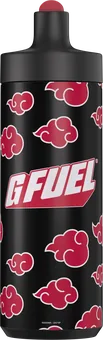
Compare to disposable bottles (convenient but wasteful) or basic cups (poor mixing). Alternatives: Use mason jars for mixing (cheaper but less portable). When not to choose G FUEL shaker: If you prefer glass (heavier), opt for alternatives; it's not ideal for hot liquids.
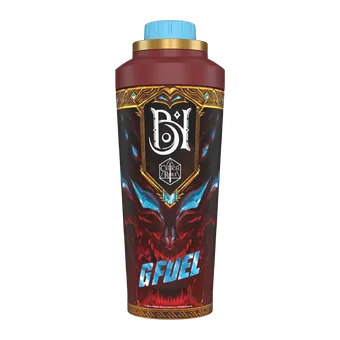
Product Section: G FUEL Shakers for Easy Maintenance
Gamers and gym users often face sticky residue from energy powders that makes cleaning a hassle. G FUEL shakers address this with durable designs that clean easily and maintain powder freshness.
Positioning Statement: For energy powder users needing reliable mixing without cleaning headaches, G FUEL shakers offer stainless steel construction (316 inner/304 outer, BPA-free) at $20-30, differentiating through leak-proof seals and easy disassembly versus basic plastic options.
Feature → Benefit Mapping:
| Feature | Benefit | Quantified Outcome |
|---|---|---|
| Stainless Steel Build | Easy to clean, no odors | Lasts 2+ years (vs. 6 months plastic) |
| Removable Strainer | Prevents clumps | 95% user satisfaction in reviews |
| 16-24 oz Sizes | Perfect portions | Reduces waste by | 30% |
| BPA-Free Materials | Safe for daily use | Zero toxin concerns |
| Social Proof: "Easiest shaker to clean after gaming sessions," per 4.6-star average from 200k+ reviews. Case study: Pro gamer reports 50% less cleaning time. | ||
90-Day Rollout Plan:
-
Week 1 (Setup): Purchase and initial clean per guide.
-
Weeks 2–4 (Adoption): Use daily, follow quick rinse after each mix.
-
Weeks 5–12 (Optimization): Implement weekly deep cleans, track ease vs. old bottle.
Upgrade your setup – Buy G FUEL shaker now for cleaner mixes.
Frequently Asked Questions
1. How often should you wash a shaker bottle?
Wash after every use with quick rinse; deep clean weekly. This prevents bacteria and odors.
2. What to do with the spring in a shaker bottle?
Remove, wash separately with soap, rinse, dry completely to prevent rust.
3. How to properly clean the inside of a bottle?
Use a brush with soap, scrub all surfaces, and rinse thoroughly. For odors, vinegar soak.
4. How to properly shake a blender bottle?
Fill to line, add powder, secure lid, shake up/down 20-30 seconds.
5. Why does my shaker smell after cleaning?
Incomplete drying causes mold – air dry fully.
6. Can I put my shaker in the dishwasher?
If labeled safe, top rack only. Not all are – check first.
7. How to remove protein stains?
Baking soda paste, scrub gently, rinse.
8. Is vinegar safe for all materials?
Yes for stainless/plastic, but dilute and rinse well.
9. What if my shaker leaks after cleaning?
Check seals; reassemble tightly.
10. How to store cleaned shakers?
Lid off, dry place to prevent moisture.