



Caffeine is everywhere. Over 90% of adults use it regularly. Yet despite its popularity, misinformation about caffeine in energy drinks continues to spread like wildfire.
If you're worried about addiction, comparing caffeine sources, or wondering if energy drinks are actually worse than coffee, we're here to clear up the confusion with science-backed facts. Because when you're grinding hard, you deserve REAL information. Not hype. Not fear tactics. Just the truth.
Facts About Caffeine in Energy Drinks vs. Coffee
One of the biggest myths is that energy drinks contain significantly more caffeine than a morning cup of coffee. Actually, the opposite is often true.
A typical 16-ounce energy drink contains about 160 mg of caffeine, which works out to roughly 10 mg per ounce. Compare that to a 16-ounce cup of coffeehouse coffee, which can contain up to 330 mg of caffeine. Smaller 8.4-ounce energy drinks usually contain around 80 mg of caffeine.
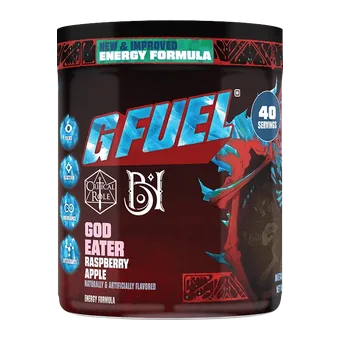
G FUEL Energy Formula, for example, contains 140-150 mg of caffeine per serving, putting it in line with a standard cup of coffee but with added benefits like antioxidants, focus amino acids, and essential vitamins. The difference is that energy drinks clearly label their caffeine content, while coffee can vary wildly depending on the roast, brewing method, and serving size.
When you're competing, streaming, or grinding through your day, TRANSPARENCY MATTERS. You need to know exactly what you're consuming.
Caffeine in Energy Drinks: It's the Same Molecule, Different Delivery
Here's the truth that blows people's minds: caffeine is caffeine, period. Whether your caffeine comes from coffee beans, tea leaves, or an energy drink powder doesn't change its chemical structure or how your body processes it.
What matters is the amount you consume and how quickly you consume it. Drinking an energy drink with 150 mg of caffeine will have the same physiological effect as drinking coffee with 150 mg of caffeine. Your body doesn't know the difference between "natural" and "added" caffeine because at the molecular level, caffeine is identical regardless of the source.
The real difference lies in what comes WITH caffeine. Energy drinks often include B vitamins, amino acids, and other ingredients designed to support focus and performance, while coffee delivers caffeine with antioxidants and a robust flavor profile.
For competitors who need SUSTAINED ENERGY THAT LASTS, that difference is everything.
Can You Get Addicted to Caffeine? What the Research Actually Shows
This is where people get nervous. And yeah, caffeine dependence is very real.
Up to 30% of regular caffeine users meet the criteria for caffeine dependence, and nearly two in five Americans report feeling addicted to caffeine. While the DSM-5 doesn't officially classify caffeine addiction as a disorder, the World Health Organization recognized caffeine addiction as a clinical disorder in 2012.
Symptoms of caffeine dependence include strong cravings for caffeinated beverages, difficulty cutting back despite wanting to, withdrawal symptoms like headaches and fatigue, and continued use despite knowing it causes harm.
Here's what's important: About 79% of people who meet the criteria for Caffeine Use Disorder report headaches when they try to quit, while 42% experience fatigue. Caffeine withdrawal symptoms typically appear 12 to 24 hours after your last dose and can last up to nine days.
But here's the good news. Caffeine dependence is MANAGEABLE. It's not the same as other substance dependencies. It's also not something you need to fear if you're using energy drinks responsibly.
Is Caffeine Bad For You? The Real Answer
The FDA considers up to 400 mg of caffeine per day safe for most healthy adults. Staying within this limit and avoiding sudden increases or decreases in your intake means you can enjoy caffeine's benefits without developing problematic dependence.
Caffeine isn't inherently bad. When used responsibly, it improves focus, physical performance, and alertness without negative health effects. Problems arise when people exceed the safe limit or are particularly sensitive to caffeine. Adolescents should limit intake to 100 mg or less per day.
Energy Drinks Get Their Power From More Than Just Caffeine
Marketing materials often highlight exotic-sounding ingredients like taurine, guarana, or ginseng as the secret to an energy drink's effectiveness. In reality, caffeine does the heavy lifting. But that's not the whole story.
Most herbs and botanical extracts added to energy drinks haven't been proven to boost energy unless they naturally contain caffeine. What energy drinks ACTUALLY do offer beyond basic caffeine are B vitamins (B6, B12) that support energy metabolism, amino acids like L-tyrosine for mental focus, and antioxidants like vitamins C and E for recovery support.
G FUEL's sugar-free formula delivers clean energy that kicks in within 10-15 minutes and lasts 4-6 hours without the crash, thanks to the absence of sugar and the inclusion of focus-supporting ingredients. That's the REAL difference between a basic caffeine boost and a performance formula engineered for competitors.
The Dangerous Myth: Caffeine Helps You Sober Up After Alcohol
Let's be direct here: mixing caffeine with alcohol doesn't make you less drunk. According to the CDC, caffeine doesn't reduce blood alcohol concentration or reduce impairment caused by alcohol consumption.
What caffeine does is mask some of alcohol's sedative effects, creating the dangerous illusion that you're more alert and capable than you actually are. You might feel more awake, but your reaction time, judgment, and motor skills remain just as impaired.
Combining alcohol and caffeine can lead to risky behavior because people underestimate their level of intoxication. The only thing that reduces blood alcohol levels is time. Not coffee. Not energy drinks. Just time.
Don't fall for this myth. Your safety matters more than feeling temporarily sharper.
Energy Drinks Are Regulated and Safe When Used Responsibly
Energy drinks, their ingredients, and their labeling are regulated by the FDA just like other packaged foods and beverages. All nutritional information, including total caffeine content from all sources, must be clearly disclosed on the label.
Reputable brands provide transparency about what's in their products. Safety concerns typically arise from misuse, such as consuming multiple servings in a short period, exceeding the recommended daily caffeine limit, giving caffeinated products to children and adolescents, or mixing energy drinks with alcohol.
Products like G FUEL clearly state they are not for children under 18 and provide serving recommendations to help consumers make informed choices. When used responsibly by adults, energy drinks fit within safe caffeine consumption guidelines.
LEVEL UP WITH CLEAN ENERGY
Now you know the FACTS. Caffeine isn't a villain. Energy drinks aren't dangerous if you use them responsibly. And the science is clear: a quality energy formula can CRUSH your performance when you need it most.
Ready to fuel up without the myths?
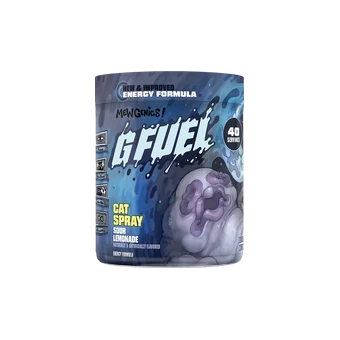
G FUEL Energy Formula gives you clean caffeine, zero sugar, and performance-focused ingredients. With 35+ flavors to choose from, from Hype Sauce 2.0 to Nuke Pop to Berry Bomb, there's a flavor engineered for YOUR grind.
FAQs
Q. Can you be addicted to caffeine?
Yes, caffeine dependence is a recognized condition. Up to 30% of regular users meet dependence criteria, experiencing withdrawal symptoms like headaches and fatigue when they try to quit. However, caffeine addiction is generally considered mild compared to other substance dependencies and can be managed by moderating intake.
Q. Is caffeine an addiction or just dependence?
Technically, caffeine dependence is the more accurate clinical term. While it's sometimes called addiction, it's generally considered a mild dependence rather than a severe addiction. The key difference is that caffeine dependence is manageable through moderate consumption, and withdrawal symptoms, though uncomfortable, aren't dangerous.
Q. Is caffeine bad for you?
Caffeine isn't inherently bad. The FDA considers up to 400 mg per day safe for most healthy adults. Problems arise when people exceed this limit or are particularly sensitive to caffeine. Moderate consumption can improve focus, physical performance, and alertness without negative health effects.
Q. How much caffeine is too much?
Adults should stay under 400 mg of caffeine per day. Consuming more than 1,200 mg rapidly can lead to toxic effects like seizures. Adolescents should limit intake to 100 mg or less per day. Track your total daily caffeine from all sources, including coffee, tea, energy drinks, and supplements.
Q. Do energy drinks have more caffeine than coffee?
Not usually. A 16-ounce coffeehouse coffee can contain up to 330 mg of caffeine, while a typical 16-ounce energy drink contains around 160 mg. Energy drinks clearly label caffeine content, making it easier to track your intake compared to coffee, which varies widely.
Q. Can caffeine cause withdrawal symptoms?
Yes, caffeine withdrawal is common among regular users. Symptoms typically begin 12-24 hours after your last dose and can include headaches (affecting 79% of dependent users), fatigue (42%), and irritability (36%). Symptoms usually peak within 20-51 hours and can last up to nine days.