




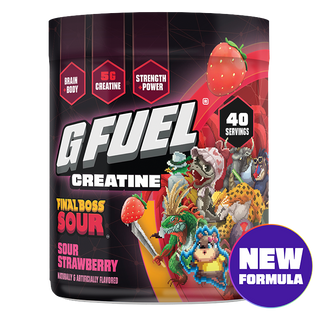


BCAAs and creatine sit next to each other on every supplement shelf and do almost nothing alike. Creatine refills the energy currency your muscles burn during heavy sets. BCAAs are amino acids that signal muscle protein synthesis and blunt fatigue. One makes you stronger over months. The other supports recovery and endurance in the moment.
There are also no direct head-to-head studies between them for muscle growth, so anyone claiming a decisive winner is extrapolating. What the evidence does support is clear enough to make a practical decision.
What Is The Difference Between BCAA And Creatine?
- Creatine increases intramuscular phosphocreatine, letting you regenerate ATP faster during high-intensity effort.
- BCAAs (leucine, isoleucine, valine) are essential amino acids that directly stimulate muscle protein synthesis.
- Creatine is not an essential nutrient; your body produces it, and you get it from meat and fish.
- BCAAs are essential, meaning your body cannot make them, and they must come from diet or supplements.
- Creatine works through saturation over weeks; BCAAs act around the training window.
Leucine does most of the work in a BCAA supplement, acting as the trigger for muscle protein synthesis, particularly when consumed near training.
Which Is Better For Muscle Growth?
Creatine has the stronger and more consistent evidence, though the comparison is indirect.
Research shows creatine combined with resistance training supports greater increases in lean muscle mass, with one analysis finding creatine users gained roughly 2.5 pounds more lean mass than non-users. The evidence base spans hundreds of trials, and the findings replicate reliably.
The evidence for BCAAs on muscle growth is more mixed. BCAAs do stimulate muscle protein synthesis, but stimulating MPS and producing measurable long-term hypertrophy are different outcomes, and the second has been harder to demonstrate for BCAAs in isolation.
For strength and power specifically, creatine is the clearer choice, supporting the phosphagen energy system that fuels heavy sets, sprints, and maximal efforts.
Where Do BCAAs Actually Win?
Three areas, and they are genuine.
- Recovery and soreness: multiple studies show BCAAs reduce markers of muscle damage and decrease the severity and duration of delayed-onset muscle soreness after intense training
- Endurance performance: valine competes with tryptophan for transport into the brain, reducing serotonin accumulation and the central fatigue signal that makes long efforts feel harder
- Muscle preservation in a deficit: roughly 35 percent of the essential amino acids in muscle tissue are BCAAs, and supplementation during caloric restriction, illness, or injury supports retention
Creatine offers limited benefit for sustained aerobic activity, so endurance athletes have a legitimate reason to look at BCAAs where a powerlifter would not.
Do You Actually Need BCAAs?
That question is the one most comparisons avoid, and the honest answer changes the recommendation for a lot of people.
If you already hit your daily protein target, you are almost certainly consuming sufficient BCAAs through food and whey protein. Whey is naturally rich in leucine, and complete protein sources deliver all three BCAAs alongside the other essential amino acids your body needs.
That makes standalone BCAA supplementation largely redundant for anyone eating 1.6 to 2.2 grams of protein per kilogram of body weight daily. The people who benefit most are those training fasted, eating in a significant deficit, following restricted diets, or unable to consistently hit protein targets.
Creatine has no equivalent dietary shortcut. You would need to eat roughly a kilogram of red meat daily to match a 5-gram supplement dose, which is why supplementation is the practical route.
Can You Take BCAAs And Creatine Together?
Yes, and there are no known adverse interactions; the two work through complementary mechanisms and can be stacked safely.
- Creatine daily at 3 to 5 grams, any time, including rest days
- BCAAs around the training window, where their fatigue and recovery effects are most relevant
- Neither requires cycling on and off
- Both are particularly worth considering for vegan athletes, who get less of each from diet.
For most people, the more useful stack is creatine plus adequate total protein rather than creatine plus BCAAs. Pair it with a pre-session Energy Formula for training focus and a caffeine-free Hydration Formula to cover electrolytes.
Pick The One That Fills Your Actual Gap
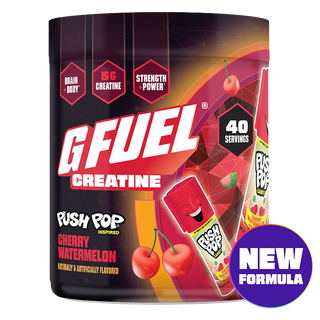
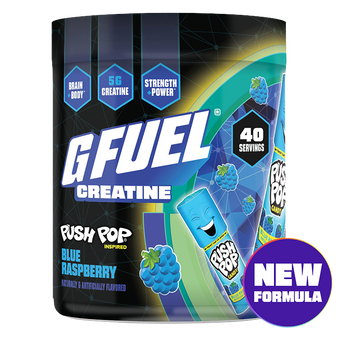
If you want strength, power, and muscle growth, creatine is the stronger buy and the better value. If you train fasted, run long distances, or struggle to hit protein, BCAAs earn a place. If you already eat enough protein, creatine alone is likely all you need. Keep a classic flavour on the desk for session focus and rotate in a new arrival when the routine starts to feel stale.
These statements have not been evaluated by the Food and Drug Administration. This product is not intended to diagnose, treat, cure, or prevent any disease. G FUEL is intended for healthy adults 18 and older.
Frequently Asked Questions
Q. Is Creatine Or BCAA Better?
Creatine has stronger, more consistent evidence for strength, power, and muscle growth. BCAAs have better direct evidence for reducing soreness, supporting endurance, and preserving muscle in a deficit. For most lifters, creatine is the more valuable single purchase.
Q. Can You Take BCAA And Creatine Together?
Yes. BCAAs and creatine work through different mechanisms with no known adverse interactions. Take creatine daily at 3 to 5 grams and BCAAs around your training window. Neither requires cycling.
Q. What Is The Difference Between BCAA And Creatine?
Creatine increases muscle phosphocreatine to regenerate ATP for high-intensity effort. BCAAs are essential amino acids that stimulate muscle protein synthesis and reduce fatigue. Creatine builds capacity over weeks; BCAAs act around training.
Q. Do I Need BCAAs If I Take Protein?
Probably not. Whey and other complete proteins are naturally rich in BCAAs, including leucine. If you consistently hit 1.6 to 2.2 grams of protein per kilogram of body weight, standalone BCAA supplementation is largely redundant.
Q. Which Is Better For Muscle Growth, BCAA Or Creatine?
Creatine has the stronger evidence, with one analysis showing roughly 2.5 pounds more lean mass gained versus non-users. BCAA evidence for long-term hypertrophy is more mixed. No direct head-to-head studies exist between the two.
Q. Should Endurance Athletes Take BCAA Or Creatine?
BCAAs are more relevant for sustained aerobic activity, since they reduce central fatigue by limiting tryptophan transport into the brain. Creatine offers limited endurance benefit but still helps with interval work and strength sessions.