




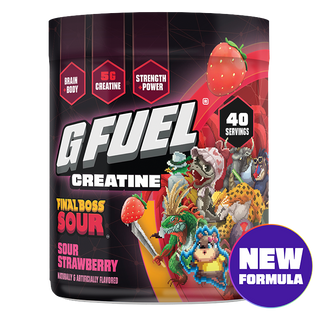


Yes, creatine improves workout performance, and the evidence is not close to controversial. Creatine monohydrate is the single most researched and validated ergogenic supplement in sports nutrition. The International Society of Sports Nutrition (ISSN) considers it the most effective nutritional supplement currently available for increasing high-intensity exercise capacity and lean body mass during training. Hundreds of peer-reviewed studies support this position.
What creatine does not do is give you "energy" in the way caffeine or a pre-workout formula does. Creatine does not stimulate your nervous system, increase heart rate, or make you feel more awake. The energy creatine provides is cellular: it replenishes ATP (adenosine triphosphate) in your muscles during short, explosive efforts, allowing you to push harder, lift heavier, and recover faster between sets. The difference matters, because misunderstanding what creatine does leads to unrealistic expectations and missed opportunities to stack it properly alongside the supplements that do handle alertness and focus.
The full guide below covers exactly what creatine does for workout performance, the specific types of exercise it helps with, the types it does not, and how creatine fits alongside other performance supplements like caffeine and protein.
How Creatine Supports Workout Performance
The ATP Recycling System
Every muscle contraction burns ATP for energy. During high-intensity exercise (heavy lifts, sprints, explosive jumps), your muscles burn through available ATP in roughly 8 to 10 seconds. Once ATP runs out, performance drops sharply until the body can regenerate more.
Creatine speeds up that regeneration. Your muscles store creatine as phosphocreatine, which donates a phosphate group to spent ADP molecules, converting them back into usable ATP. More phosphocreatine in the muscle means faster ATP recycling, which means you can sustain high-intensity effort for a few more reps, a few more seconds, or a few more meters before fatigue forces you to stop.
Supplementing with 3 to 5 grams of creatine monohydrate daily increases intramuscular phosphocreatine stores by 15 to 40%, according to the ISSN. That increase translates directly into measurable performance improvements.
What the Research Confirms
The performance benefits of creatine are specific and well-documented.
Increased 1-rep max strength. Multiple studies show significant increases in bench press, squat, and deadlift 1RM after creatine supplementation combined with resistance training. The NSCA confirms that creatine during training can increase gains in 1-repetition maximum strength and power.
More reps per set. Creatine extends time to fatigue during sets of 1 to 10 reps, allowing more total volume per session. More volume over time is one of the primary drivers of strength and muscle growth.
Faster recovery between sets. Phosphocreatine replenishment between sets happens faster with elevated creatine stores. The practical result: shorter rest periods or higher quality efforts on subsequent sets.
Improved sprint and jump performance. Creatine supports the phosphagen energy system, which fuels efforts lasting 0 to 30 seconds. Sprinting, vertical jumps, and short-burst explosive movements benefit directly. Our guide on how energy formulas support athletic performance covers the caffeine side of explosive performance.
What Creatine Does Not Improve
Creatine is specific to the phosphagen energy system, which fuels short, explosive efforts. Activities that rely on other energy systems do not see the same benefit.
Endurance Exercise
Creatine does not improve aerobic endurance. Running a 10K, cycling for 90 minutes, or swimming laps at a moderate pace are powered by the aerobic energy system, not the phosphagen system. Creatine supplementation has not been shown to improve VO2 max, lactate threshold, or time-to-exhaustion in steady-state endurance activities.
However, creatine can indirectly support endurance training by improving repeated sprint ability during interval sessions and supporting faster recovery between high-intensity intervals. If your endurance training includes interval work, creatine has a role. If your training is exclusively slow and steady, creatine will not change your performance.
Low-Intensity Activities
Walking, yoga, stretching, and light cardio do not tax the phosphagen system meaningfully. Creatine supplementation will not change how these activities feel or perform.
Immediate Performance
Creatine does not work acutely. Taking 5 grams of creatine 30 minutes before a workout will not produce a noticeable performance boost that day. Creatine works through saturation: daily supplementation over 3 to 4 weeks (or 5 to 7 days with a loading phase) builds intramuscular stores to the level where performance benefits emerge. Unlike caffeine, which hits within 15 to 45 minutes of consumption, creatine is a long-game investment.
Creatine vs Caffeine for Workout Performance
Creatine and caffeine are not competing supplements. The two serve different functions and work through entirely different mechanisms.
Caffeine is a central nervous system stimulant. Taking caffeine before a workout increases alertness, reduces perceived effort, improves focus, and can enhance both strength and endurance performance acutely. A scoop of Energy Formula at 140mg caffeine delivers these benefits within 15 to 45 minutes of consumption.
Creatine is a cellular energy buffer. Taking creatine daily builds intramuscular energy reserves over weeks, supporting stronger sets and faster ATP recycling during high-intensity efforts.
The smartest approach is stacking both. Caffeine handles the "feel" side of performance: you feel sharper, more motivated, and more resistant to fatigue. Creatine handles the "fuel" side: your muscles have deeper energy reserves to draw from once the effort starts. Together, they cover both the neurological and the cellular dimensions of workout performance.
Research has not found meaningful interference between caffeine and creatine when taken together. Some older studies suggested caffeine might blunt creatine's effects, but subsequent research, including the ISSN's 2021 position update, did not support this concern at standard supplementation doses. Our full comparison of pre-workout vs energy drink covers how different formats stack up for gym use.
How Long Does It Take for Creatine to Improve Performance?
With a loading phase (20 to 25 grams per day for 5 to 7 days), performance benefits can emerge within 1 to 2 weeks.
Without a loading phase (3 to 5 grams per day), expect 3 to 4 weeks before measurable strength improvements appear. Most users notice the ability to push an extra rep or two on their heaviest sets as the first sign creatine is working.
Both timelines assume daily consistency. Skipping days or cycling on and off delays saturation and reduces the benefit. Take creatine every day, including rest days, for the full effect. Our guide on how much creatine to take per day covers the complete dosing framework.
Does Creatine Give You Energy?
Yes and no, depending on what you mean by "energy."
Creatine gives your muscles energy at the cellular level by replenishing ATP. You will not feel a buzz, a rush, or increased wakefulness. The energy is invisible until you ask your muscles to perform: more weight on the bar, one more rep in the set, a faster sprint interval.
Creatine does not give you energy in the way caffeine, a pre-workout formula, or an energy drink does. For the "felt" energy that drives motivation, alertness, and focus during a session, a clean energy formula with caffeine and L-theanine handles that directly. Creatine handles the energy you cannot feel but your muscles use when the weight gets heavy.
Who Sees the Most Benefit?
Creatine supplementation benefits nearly anyone who trains with intensity, but certain groups see proportionally larger effects.
New-to-intermediate lifters who are still making rapid strength gains see creatine accelerate that trajectory.
Athletes in power sports (football, wrestling, hockey, sprinting) where the phosphagen system is the dominant energy pathway see the most direct performance transfer.
Vegetarians and vegans who consume little dietary creatine start from lower baseline stores and experience larger relative increases from supplementation.
Gamers and knowledge workers may benefit from creatine's emerging cognitive effects, supporting sustained focus and reaction speed during long sessions. Our guide on creatine for gamers covers the brain-performance research in detail.
Fuel the Reps That Matter
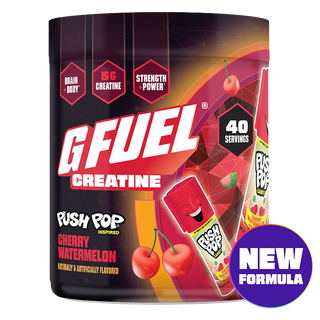
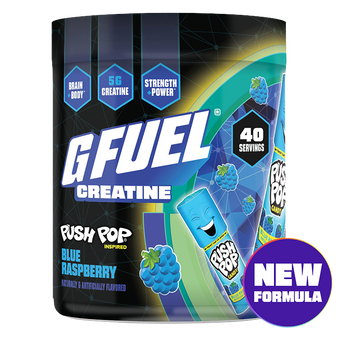
Creatine works. The research is extensive, the safety profile is strong, and the mechanism is simple: more cellular fuel for the moments when your muscles need it most. Stack it with an energy formula for pre-session alertness, a Hydration Formula for fluid balance, and protein for post-session recovery. Keep a classic flavor on the desk and rotate in a new arrival when the routine starts to feel stale. Creatine handles the fuel your muscles burn. The rest of the stack handles everything your body and brain need around it.
Frequently Asked Questions
Q. Does creatine give you energy?
Creatine gives your muscles cellular energy by replenishing ATP during high-intensity efforts. You will not feel a stimulant-like buzz or increased wakefulness. The energy is invisible until your muscles are under load, where it translates to more reps, heavier lifts, and faster recovery between sets.
Q. Does creatine improve all types of exercise?
No. Creatine specifically supports short-duration, high-intensity exercises (heavy lifting, sprinting, jumping) that rely on the phosphagen energy system. Steady-state endurance exercise (long runs, moderate cycling) is not improved by creatine supplementation.
Q. How long does creatine take to work?
With a loading phase, performance benefits emerge in 1 to 2 weeks. Without loading, expect 3 to 4 weeks of consistent 3 to 5 gram daily dosing before measurable strength improvements appear.
Q. Can you take creatine with caffeine?
Yes. Research has not found meaningful interference between caffeine and creatine at standard supplementation doses. Stacking both covers the neurological (caffeine) and cellular (creatine) dimensions of workout performance.
Q. Is creatine a pre-workout supplement?
Creatine is not a pre-workout in the traditional sense because it does not produce an acute performance boost when taken before a single session. Creatine works through daily saturation over weeks. A pre-workout formula or energy drink handles the immediate alertness and focus needs of a training session.
Q. Does creatine help with weight loss?
Creatine is not a fat-burning supplement. Because creatine draws water into muscle cells, body weight often increases slightly during the first weeks of supplementation. The weight is water, not fat. Creatine supports lean muscle maintenance during calorie deficits, which can indirectly support body composition over time.