




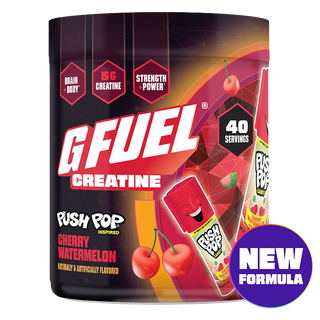
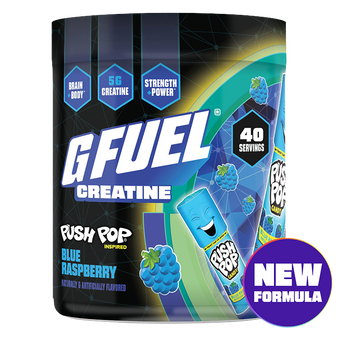
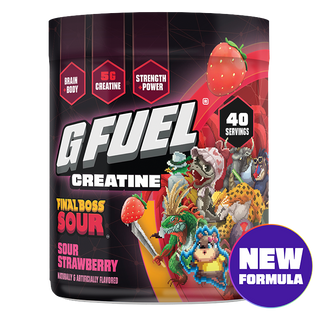


Creatine does not make you faster on a jog, and it does not give you the kind of energy that caffeine does. What creatine does is make the specific moments where your body demands maximum power- the heavy set, the explosive sprint, the final rep you did not think you had- measurably better. The mechanism is precise: creatine increases your muscles' ability to regenerate ATP (adenosine triphosphate) during high-intensity efforts, giving you a deeper energy reserve exactly when the demand is highest.
The International Society of Sports Nutrition calls creatine monohydrate the most effective ergogenic nutritional supplement currently available for increasing high-intensity exercise capacity and lean body mass during training. That statement is backed by hundreds of peer-reviewed studies, making creatine one of the few supplements where the science and the gym experience actually agree.
The ATP System: How Creatine Powers Performance
Every muscle contraction burns ATP. During maximal-effort exercise (a one-rep max squat, a 40-yard dash, an all-out sprint on the bike), your muscles deplete available ATP in roughly 8 to 10 seconds. Once ATP runs out, force output drops sharply and the set ends.
Creatine intervenes at exactly this point. Your muscles store creatine as phosphocreatine, which donates a phosphate group to spent ADP molecules, converting them back into usable ATP. The phosphocreatine system acts as a rapid-response energy buffer: not the body's primary fuel source (that is, glucose and fat), but the emergency reserve that kicks in when demands exceed what aerobic metabolism can supply.
Supplementing with creatine monohydrate at 3 to 5 grams daily increases intramuscular phosphocreatine stores by 15 to 40% (ISSN data). More phosphocreatine means faster ATP recycling, which means more work capacity during the short, intense efforts where performance gains are earned.
Three Ways Creatine Improves Exercise Performance
1. More Strength and Power Output
The most documented benefit. Creatine supplementation combined with resistance training consistently produces greater increases in one-rep max strength and peak power output than training alone. The NSCA confirms that creatine during training can increase gains in 1-repetition maximum strength and power. The effect is most pronounced in compound lifts (squat, bench press, deadlift, overhead press) and explosive movements (vertical jump, short sprint, throws).
Practically, this means heavier weights on the bar, stronger reps within a set, and a higher ceiling for what your body can produce in a single maximal effort.
2. Faster Recovery Between Sets
Phosphocreatine replenishment between sets happens faster when intramuscular creatine stores are elevated. The practical result: you can maintain higher quality efforts across multiple sets rather than experiencing the steep performance drop-off that occurs when ATP regeneration lags behind demand.
For compound-lift workouts where you perform 4 to 6 sets of heavy reps with 2 to 3 minutes of rest, the ability to recover more completely between sets translates directly to more total volume per session, which is one of the primary drivers of long-term strength and muscle growth.
3. Greater Training Volume Over Time
More reps per set, heavier loads per rep, and faster recovery between sets compound into greater total training volume over weeks and months. Volume (sets multiplied by reps multiplied by weight) is the strongest single predictor of muscle growth in resistance training research. Creatine does not add volume directly, but it enables the body to handle more volume at a given intensity, which is the difference between 3 reps and 5 reps on the last set of a hard workout.
Over a 12-week training block, those extra reps accumulate into meaningfully more work, which produces more meaningful adaptation. The effect is invisible on any single day but transformative over a training cycle.
What Creatine Does Not Improve
Creatine is specific to the phosphagen energy system, which fuels efforts lasting roughly 0 to 30 seconds. Activities powered by other energy systems see little to no benefit.
Steady-state endurance exercise (10K runs, long-distance cycling, swimming laps at moderate pace) is not improved by creatine. Endurance activities rely on aerobic metabolism, which creatine does not directly enhance.
Low-intensity activities (walking, yoga, stretching, light cardio) do not tax the phosphagen system meaningfully and are unaffected by creatine supplementation.
Creatine does not produce an immediate, felt energy boost. Unlike caffeine, which works within 15 to 45 minutes of consumption, creatine requires weeks of daily supplementation to saturate muscle stores. There is no acute "hit" from a creatine dose. A scoop of Energy Formula at 140mg caffeine handles the felt energy and alertness side of pre-workout performance. Creatine handles the cellular energy reserves underneath. Our guide on the impact of energy powders on athletic performance covers how the two stack.
Creatine for Recovery and Muscle Growth
Recovery is where creatine's performance benefits translate into long-term progress.
Satellite Cell Activation
Creatine helps activate satellite cells in muscles, which repair the micro-tears resistance training creates. Faster satellite cell activation means faster repair, which means you can return to training sooner at full capacity. Over months of consistent training, the recovery advantage compounds into visibly greater muscle growth.
Cell Volumization
Creatine draws water into muscle cells, increasing intracellular volume. Cell volumization may stimulate protein synthesis pathways and reduce protein breakdown, creating a more anabolic environment within the muscle fiber. The "fuller" muscle appearance during creatine supplementation is partly this effect, and it contributes to both short-term size increases and long-term growth signaling.
Reduced Muscle Damage Markers
Some research shows that creatine supplementation reduces markers of exercise-induced muscle damage (like creatine kinase and lactate dehydrogenase) following intense training. Lower damage markers suggest less cellular stress per session, which supports faster and more complete recovery. Our guide on energy drinks and muscle recovery covers how other supplements support the recovery timeline.
Who Benefits Most From Creatine for Performance?
Strength and power athletes (weightlifters, powerlifters, football players, wrestlers, hockey players) see the most direct performance transfer because their sports rely heavily on the phosphagen energy system.
Interval-based athletes (soccer, basketball, tennis, field hockey) benefit from improved repeated sprint ability and faster recovery between high-intensity bursts during matches.
Recreational lifters and gym-goers see measurable strength and volume improvements within 2 to 4 weeks of full saturation, making creatine one of the few supplements that produces results fast enough to feel.
Gamers and knowledge workers benefit from the emerging cognitive performance data. Creatine supports brain ATP regeneration the same way it supports muscle ATP regeneration, which may reduce cognitive fatigue during long sessions. Our guide on the best gaming supplements covers the full landscape.
How to Use Creatine for Maximum Performance
Take 3 to 5 grams of creatine monohydrate daily, every day, with or without a loading phase. Consistency matters more than timing. Pair creatine with adequate protein intake (1.6 to 2.2 grams per kilogram daily), progressive resistance training, and proper hydration. A caffeine-free Hydration Formula with electrolytes supports the increased water demand creatine creates.
Stack creatine alongside a pre-session Energy Formula for the complete performance picture: creatine fuels the muscles at the cellular level, caffeine and focus aminos fuel the brain at the neurological level, and hydration keeps both systems running cleanly. Our dosing guide on how much creatine to take per day covers the full protocol.
Train Harder, Recover Faster, Come Back Stronger
Creatine does not replace effort. Creatine makes effort more productive. More ATP when the weight is heaviest, faster recovery when the set is over, and a cellular environment that supports growth across every session. Keep a classic flavor on the desk for pre-session fuel and rotate in a new arrival when the routine starts to feel stale. Stack smart, train hard, and let the compound effect of consistent creatine carry your performance forward.
Frequently Asked Questions
Q. Does creatine give you energy for exercise?
Creatine gives your muscles cellular energy by replenishing ATP during high-intensity efforts. You will not feel a stimulant-like buzz. The energy is invisible until your muscles are under maximal load, where it translates to more reps, heavier lifts, and faster inter-set recovery.
Q. How long does creatine take to improve performance?
With a loading phase (20 to 25 grams per day for 5 to 7 days), performance benefits emerge in 1 to 2 weeks. Without loading (3 to 5 grams daily), expect 3 to 4 weeks before measurable strength improvements appear.
Q. Does creatine improve cardio performance?
Creatine does not improve steady-state aerobic endurance. Creatine specifically supports short-duration, high-intensity efforts (heavy lifting, sprinting, jumping) that rely on the phosphagen energy system. Interval-based sports see indirect benefits through improved repeated sprint ability.
Q. Can you take creatine and caffeine together for exercise?
Yes. Caffeine provides immediate alertness and reduced perceived effort (neurological). Creatine provides cellular energy reserves for maximal efforts (cellular ATP). The two work through different mechanisms and complement each other without interference at standard doses.
Q. Is creatine effective for muscle growth?
Yes. Creatine supports muscle growth by increasing training volume capacity, activating satellite cells for faster repair, and promoting cell volumization. A meta-analysis of 22 studies found creatine supplementation produced 0.9 to 1.7 kilograms of additional lean mass over 4 to 12 weeks compared to training with placebo.
Q. Does creatine help with post-workout recovery?
Yes. Creatine supports recovery through faster phosphocreatine replenishment between sessions, satellite cell activation for muscle repair, and reduced exercise-induced muscle damage markers. Adequate hydration and protein intake alongside creatine maximize the recovery benefit.