




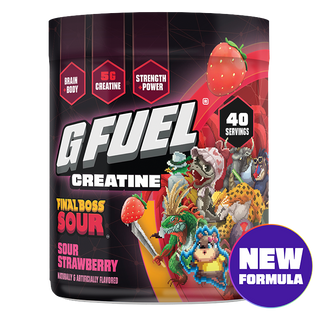


Creatine pulls water into your muscle cells. That is the mechanism behind cell volumization, one of the primary ways creatine supports muscle growth and performance. But every liter of water creatine draws into your muscles is a liter your body needs to replace from somewhere else, which means your daily water intake needs to increase the moment you start supplementing.
The general guideline for active adults taking creatine is 3 to 4 liters (roughly 12 to 16 cups) of total water per day during the maintenance phase, and 4 to 5 liters during a loading phase. Per dose, mix each 5-gram serving of creatine with at least 12 to 16 ounces (375 to 475ml) of water. Spread intake across the day rather than chugging a full day's water in one sitting, since your body absorbs water more effectively in smaller, consistent amounts.
Our full guide below covers exactly how creatine affects hydration, how much water you need at each supplementation phase, how to monitor whether you are drinking enough, and how electrolytes factor into the equation.
How Creatine Affects Your Body's Water Balance
Creatine monohydrate is osmotically active, meaning it attracts and retains water molecules wherever it is stored. When you supplement, creatine is absorbed into your bloodstream, transported to skeletal muscle cells, and stored primarily as phosphocreatine. The storage process pulls water into those cells, increasing intracellular water volume.
The redistribution of water does not cause systemic dehydration. A study published in the Journal of Athletic Training found that creatine supplementation increased intracellular water but did not disrupt normal fluid balance or thermoregulation when participants maintained adequate hydration. However, the increased demand on intracellular water means your total daily water requirement goes up. If you do not increase intake to match, you may experience symptoms like headaches, dry mouth, darker urine, and reduced exercise performance, not because creatine dehydrates you, but because your baseline water intake is no longer sufficient for your new creatine-loaded state.
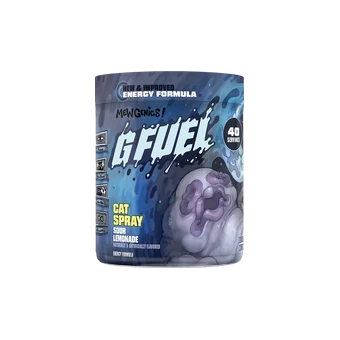
A 40-serving Energy Formula tub mixed in 16 ounces of water before a session contributes to your daily fluid total while delivering 140mg caffeine and focus aminos. Every liquid serving counts toward the goal.
Daily Water Targets by Creatine Phase
During the Loading Phase (20-25g/day for 5-7 days)
Aim for 4 to 5 liters (roughly 16 to 20 cups) of total daily water intake. The loading phase rapidly fills muscle creatine stores, which means the body draws water into muscle cells at a faster rate than during maintenance. Higher water intake during loading also reduces the digestive discomfort (bloating, cramping) that large creatine doses can cause.
Split your loading dose into four to five 5-gram servings throughout the day, and drink at least 12 to 16 ounces of water with each serving. The combination of split dosing and consistent hydration minimizes stomach upset and maximizes absorption.
During the Maintenance Phase (3-5g/day)
Aim for 3 to 4 liters (roughly 12 to 16 cups) of total daily water intake. Once muscle creatine stores are saturated (after loading or 3 to 4 weeks of maintenance-only dosing), the daily water demand stabilizes. The maintenance dose replaces the roughly 1 to 2% of creatine your body naturally metabolizes each day, and the corresponding water demand is lower than during loading.
Mix your daily 3 to 5 gram serving with at least 12 ounces of water. Creatine monohydrate dissolves best in warm or room-temperature liquid. Cold water works but may leave undissolved granules at the bottom.
Adjustments by Body Weight
Larger individuals need more water. A 60kg person on creatine maintenance may need approximately 3 liters daily, while a 100kg individual may need 4 to 5 liters. A body-weight starting point: aim for approximately 40 to 50ml of water per kilogram of body weight per day while supplementing with creatine, then adjust based on activity level, climate, and individual sweat rate.
How to Know If You Are Drinking Enough
Three self-monitoring signals tell you whether your hydration is on track.
Urine Color
Pale yellow to light straw indicates adequate hydration. Dark yellow or amber signals that you need more water. Clear urine (completely transparent) can indicate overhydration, which is unnecessary and can dilute electrolyte concentrations.
Thirst Cues
If you are waiting until you feel thirsty to drink, you are already behind. Thirst is a lagging indicator, meaning mild dehydration sets in before the sensation registers. Sip consistently throughout the day rather than responding reactively to thirst. Our guide on common hydration mistakes covers why thirst-driven drinking is the most common error.
Physical Signs
Headaches, dry mouth, fatigue, and reduced workout performance are all early signs of insufficient hydration while on creatine. If these symptoms appear after starting creatine, increase water intake by 500ml per day and reassess after 48 hours.
Why Electrolytes Matter Alongside Water
Drinking more water without replacing the electrolytes lost through sweat and increased fluid throughput can dilute sodium, potassium, and magnesium levels. The balance between water volume and mineral concentration is what determines actual cellular hydration.
For gamers and athletes on creatine, pairing water intake with an electrolyte source covers both sides of the equation. The G FUEL Hydration Formula delivers electrolytes plus L-Tyrosine with zero caffeine, built specifically for hydration support during long sessions, recovery days, and any situation where you need minerals without stimulation. Our deeper guide on the benefits of electrolytes in hydration drinks covers why sodium, potassium, and magnesium each play a distinct role.
Adding a pinch of salt (200 to 300mg sodium) to plain water is a simple, cost-effective way to improve water retention if you do not have an electrolyte drink on hand. Coconut water is another natural option, though it is relatively low in sodium compared to formulated electrolyte drinks.
Hydration Tips for Creatine Users
Five practical habits make hitting your daily water target easier.
- Carry a marked water bottle. A bottle with volume markings (500ml or 1L) lets you track intake without guessing. Aim to finish and refill a specific number of times per day based on your target.
- Front-load your intake in the morning. Drinking 500ml within the first hour of waking replaces the fluid lost overnight and gives you a head start on the daily total. Pair morning water with your creatine dose for a two-in-one habit.
- Set reminders if you forget. A phone alarm or app notification every 60 to 90 minutes is a low-effort way to build the sipping habit until it becomes automatic.
- Increase intake on training days and in hot weather. Sweating accelerates fluid and electrolyte loss. On days when you exercise or spend time in heat, add 500ml to 1 liter above your baseline target. Our guide on what to drink during a workout covers the full picture.
- Count all fluids. Water, tea, coffee, energy formula drinks, hydration formula servings, and soups all contribute to your daily total. A scoop of Energy Formula in 16 ounces of water counts toward hydration, though caffeine has a mild diuretic effect that should be offset with additional plain water.
Hydrate the Muscle, Fuel the Grind
Creatine works best in a well-hydrated body. Every liter of water you drink supports the intracellular environment creatine needs to do its job: fuller muscles, faster ATP recycling, and stronger sessions. Keep a Hydration Formula on the desk for caffeine-free electrolyte support, a classic energy flavor for pre-session fuel, and rotate in a new arrival when the routine starts to feel stale.
Frequently Asked Questions
Q. How much water should you drink with creatine per day?
Active adults taking creatine should aim for 3 to 4 liters of total daily water during the maintenance phase and 4 to 5 liters during a loading phase. Adjust based on body weight, activity level, and climate.
Q. How much water should you mix with each creatine dose?
Mix each 5-gram serving with at least 12 to 16 ounces (375 to 475ml) of water. Creatine dissolves best in warm or room-temperature liquid. Drinking adequate water with each dose also reduces stomach discomfort.
Q. Does creatine dehydrate you?
Creatine does not cause systemic dehydration. Creatine draws water into muscle cells (intracellular water retention), which increases total water demand but does not deplete fluid from the rest of the body when adequate hydration is maintained.
Q. Can you drink too much water on creatine?
Yes. Overhydration (hyponatremia) occurs when excessive water intake dilutes blood sodium levels. Clear, completely transparent urine can indicate overhydration. Aim for pale yellow urine and pair water with electrolytes rather than drinking beyond what your body needs.
Q. Should you drink more water during a creatine loading phase?
Yes. The loading phase (20 to 25 grams per day for 5 to 7 days) rapidly fills muscle creatine stores, increasing the rate at which water is drawn into muscle cells. Aim for 4 to 5 liters daily during loading, compared to 3 to 4 liters during maintenance.
Q. Do electrolytes help with creatine hydration?
Yes. Electrolytes (sodium, potassium, magnesium) support cellular water retention and prevent dilution of mineral concentrations when water intake increases. Pairing creatine with an electrolyte drink or adding a pinch of salt to water improves the quality of hydration.